
Five-Pin Connector, Four Pins in Use: Unveiling the Interface Design of the Multi-Beam Obstacle Avoidance Sensor
During product installation and commissioning, a meticulous engineer may notice a detail: the ultrasonic multi-beam underwater obstacle avoidance sensor features an aviation connector that is physically a five-pin design, while the accompanying technical manual labels it as a four-pin interface. Regarding this "discrepancy," we would like to clarify: the product actually uses four functional pins, and the fifth pin is an internally reserved spare pin. This is not an error or inconsistency, but a comprehensive consideration for standardized design, improved compatibility, and reserved upgrade space.
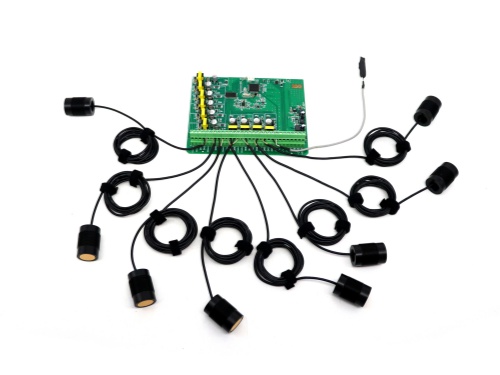
The adoption of the standard five-pin aviation connector, which is common in the market, is based on the following considerations:
1. Supply chain and compatibility: Five-pin aviation connectors are widely used standard components in the industrial sector, making them easy to source and uniform in specification. This provides great convenience for users when replacing, expanding, or finding matching cables, eliminating the need for custom interfaces and reducing spare parts costs and maintenance complexity.
2. Physical strength and reliability: The mechanical structure and sealing performance of standard five-pin connectors have been validated over time, fully meeting the stringent requirements for connector strength, waterproofing, and corrosion resistance in underwater equipment. Using mature standard components ensures higher connection reliability.
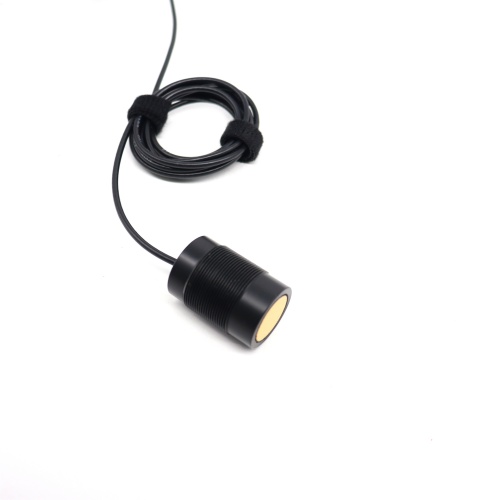
Designing one of the five pins as currently spare reflects the flexibility and foresight of the product design. This pin serves as a strictly defined technical reserved interface. It provides a hardware foundation for future functional upgrades (such as adding extra digital communication, power supply, or status feedback signals), protecting the user's long-term investment. Users do not need to replace the entire sensor or connector due to pin count limitations.
In the manufacturing process, using a unified physical interface for sensors in the same series or with different configurations simplifies assembly, improves production efficiency, and ensures consistent high quality in both appearance and physical connection across all products.
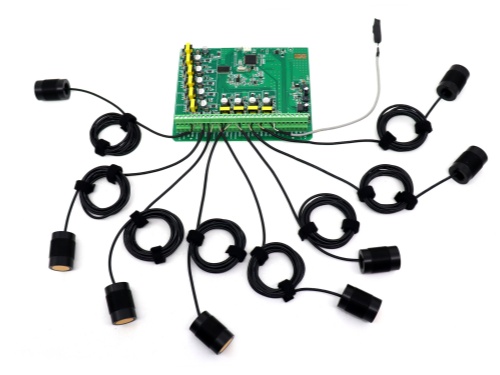
In the current sensor version, the four active pins are used for core functions such as power supply positive/negative, signal output/communication, which is fully consistent with the manual description. Users only need to correctly connect these four functional wires according to the manual to ensure all existing functions operate normally and stably. The spare fifth pin requires no wiring and does not affect any performance.
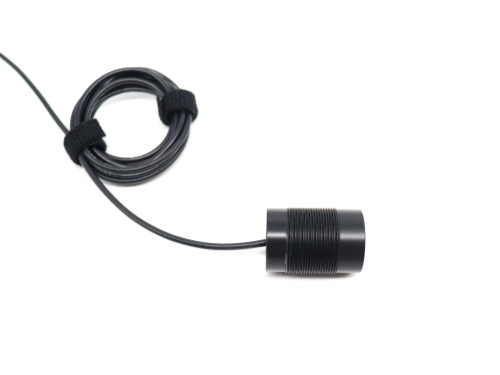
Dayu Electronics' ultrasonic multi-beam underwater obstacle avoidance sensors not only achieve broad underwater 3D perception through multiple acoustic beams but also demonstrate thoughtful consideration in human-centric details like physical interfaces. We are committed to providing products that are both technologically advanced and stable, while also prioritizing user convenience in installation and maintenance. This "five-pin physical interface, four-pin electrical application" design is a testament to our user-centric approach and pursuit of long-term product value and adaptability.