
Focused on Presence, Precise Judgment: Detection Logic of the Wood Panel Bulge Sensor [Dayu Electronics]
In the field of wood processing and quality inspection, the core task of automated inspection equipment is to quickly and reliably identify surface defects on wood, such as bulges and cracks. Many users are concerned about an in-depth technical question: do bulges or cracks of different sizes manifest as differences in current magnitude in the sensor's output signal?
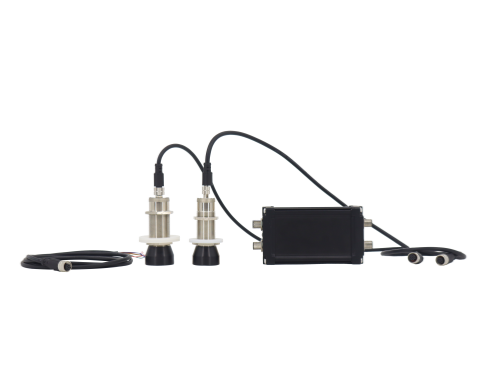
The answer is clear: the core difference in the output signal lies in "presence or absence," not "magnitude." Our wood panel bulge detection sensor is designed to detect the "existence" of defects. When it scans a wood surface with bulges or cracks, the sensor outputs a distinct trigger signal (such as a digital switching signal); for a flat, intact surface, no such signal is output. The specific dimensions of the defect (height, width, depth) are not linearly reflected in the amplitude of the output current signal.
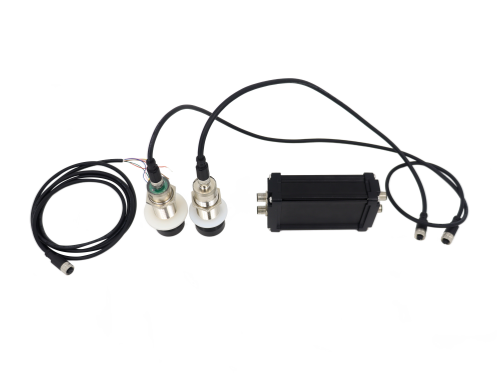
This design logic is deeply rooted in the actual needs of industrial environments. On high-speed wood panel sorting lines, the primary and core requirement of the system is fast, binary decision-making—"pass" or "reject." The sensor transforms complex surface morphology information into a simple, definitive "yes/no" judgment, greatly simplifying the subsequent control system's processing logic and enhancing production tempo and efficiency. It does not aim to measure every geometric parameter of the defect but focuses on completing the critical task of "detecting anomalies," offering exceptional stability and anti-interference capability.
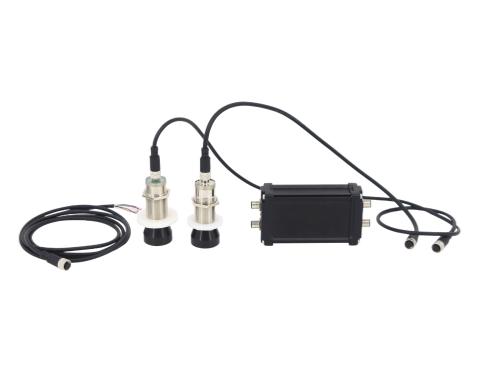
Therefore, choosing such a sensor means you are opting for a highly reliable, rapidly responsive "sentinel." It may not tell you exactly how high the bulge is, but it ensures the defect is detected at the very first moment, without missing any, and triggers sorting, alarm, or marking actions—fundamentally safeguarding product quality consistency and production flow. This is the optimal solution for achieving efficient quality control in industrial automation scenarios.