
Common Challenges in the Operation of Ultrasonic Level Meters: A Comprehensive Review of Internal and External Factors
In industrial level measurement, ultrasonic level meters have been widely adopted for their non-contact operation and high reliability. However, like any precision instrument, they may occasionally encounter unstable measurements or abnormal data in long-term, complex field applications. Correctly understanding and addressing these challenges is key to ensuring their continued stable operation.
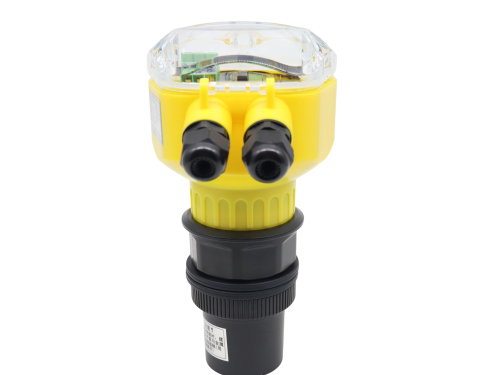
The operating status of an ultrasonic level meter is the result of the combined effects of its own performance and the external application environment. Therefore, when measurement issues arise, a systematic investigation should be conducted from both internal and external factor dimensions.
Internal factors primarily involve the core status of the instrument, such as: whether the transducer (probe) performance has degraded after prolonged use; whether the electronic unit operates correctly under extreme temperatures; or whether internal parameters (such as response speed, filtering coefficients) match the current operating conditions. This requires the instrument to possess excellent industrial durability and long-term stability.
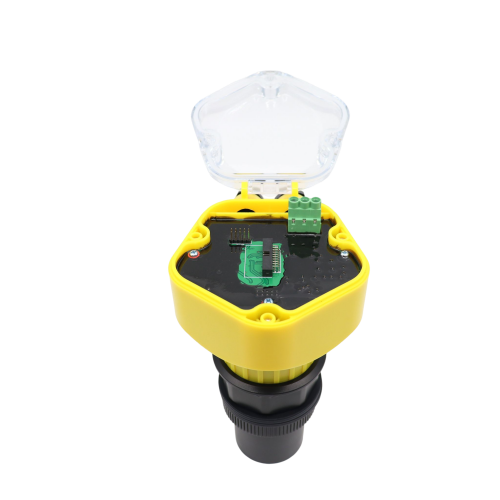
External environmental factors are often the more common cause of problems, and their effects are complex and varied:
1. Installation conditions: Whether the requirements for beam angle and blanking distance are met, and whether fixed obstacles (such as brackets or pipes) enter the acoustic path.
2. Process medium: Whether the liquid surface has large amounts of foam, turbulence, or floating oil, which can seriously absorb or scatter acoustic waves; whether there is severe dust or steam in the silo, creating acoustic interference.
3. Environmental interference: Strong mechanical vibration, electromagnetic interference from high-power equipment, or drastic changes in temperature or air pressure can all affect signal quality.
Troubleshooting should follow the principle of addressing external factors before internal ones, and simple causes before complex ones. First, check and eliminate installation and environmental interference, and confirm the power supply and wiring; second, review the rationality of application parameter settings; if the problem persists, then use diagnostic functions or compare with standard values to assess the instrument's own condition.
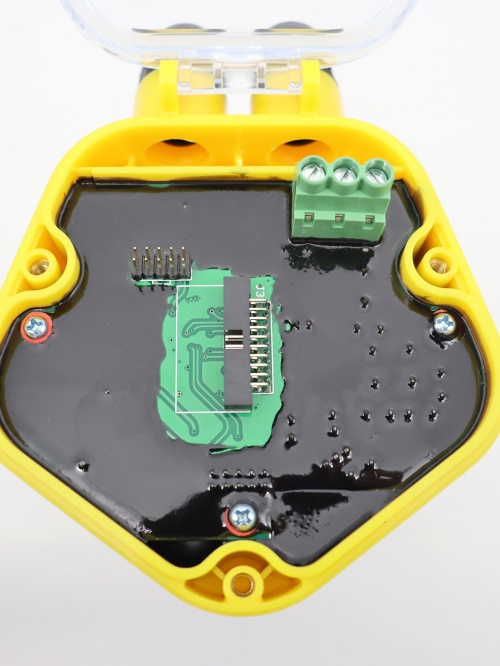
Dayu Electronics not only provides high-performance ultrasonic level meters but is also committed to offering customers systematic application knowledge. We believe that by understanding the interaction between internal and external factors and adopting a structured troubleshooting approach, the vast majority of field issues can be effectively identified and resolved, thereby ensuring the measurement system delivers its maximum value.