
Dayu Electronics: How Customized Anemometers Meet Specific Wind Measurement Application Needs
In the R&D and selection of the ultrasonic wind speed and direction sensor, the center frequency of the transducer is a key technical parameter that directly affects the propagation characteristics of the acoustic wave, anti-interference capability, and compatibility with the measurement system. We sometimes receive very specific inquiries: "Do you have a wind speed and direction transducer with a center frequency of exactly 150 kHz?"
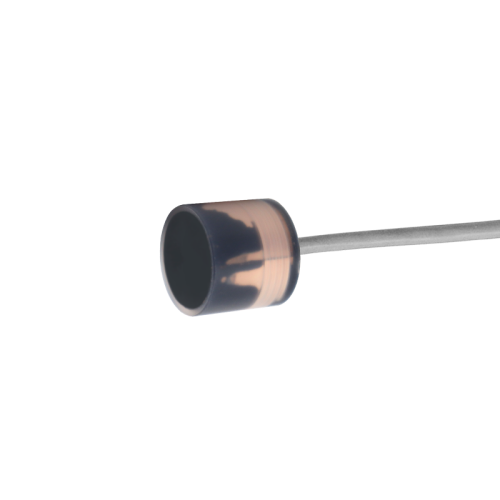
This is an extremely professional question. In response, based on our existing standardized product series, we provide a clear and candid answer: in our current standard product library, there is no model with a center frequency of exactly 150 kHz. However, we can offer mature and reliable transducers at two close frequencies—144 kHz and 160 kHz—as alternative solutions. At the same time, we solemnly commit that if you provide detailed technical requirements, we are fully capable of carrying out custom development tailored to your specific needs. This reflects our deep support capability for customers' precise requirements beyond standard products.
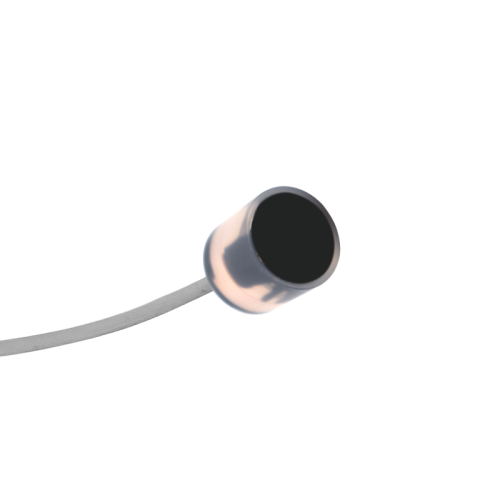
Why "144 kHz" and "160 kHz" rather than "150 kHz"? — A Balance Between Standardization and Performance
In practical measurement systems, the calculation algorithm for wind speed and direction has a certain tolerance for the transducer's center frequency. Through precision circuit design and software calibration, systems built with 144 kHz or 160 kHz transducers can deliver excellent wind measurement performance. The slight frequency difference does not have a decisive impact on the final measurement accuracy of wind speed and direction; instead, an optimized design may yield even better overall performance.
144 kHz and 160 kHz are "golden frequency points" that have been extensively validated, achieving the optimal balance among material properties, manufacturing processes, and acoustic performance. They excellently meet the core requirements of the vast majority of 2D and 3D ultrasonic anemometers in terms of measurement accuracy, response speed, and environmental adaptability (such as resistance to rain and noise).
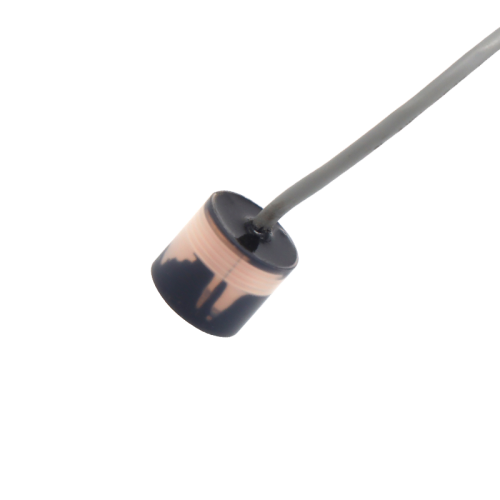
We open up customization services precisely to address special application scenarios that standard products cannot fully cover. Your existing system architecture, driver circuits, or signal processing algorithms may already be deeply optimized for a specific frequency (such as 150 kHz), and switching to a different frequency could entail significant redesign costs.
Therefore, when faced with inquiries about "whether a 150 kHz frequency transducer is available," we not only offer the practical solution of "144 kHz and 160 kHz options" but also the solemn commitment of "we can customize it for you." This embodies the core value of Dayu Electronics as a professional supplier: we provide well-proven, cost-effective standard products while also maintaining deep technical reserves and flexible engineering capabilities.