
Dayu Electronics: Key Points for Optimizing and Adjusting Ultrasonic Transducer Sensitivity
As the core sensing component of ultrasonic anemometers, the sensitivity of the ultrasonic transducer directly determines the measurement accuracy, signal stability, and environmental adaptability of the equipment. In practical applications and production debugging, how to precisely adjust transducer sensitivity is a key technical point to ensure the stable operation of wind measurement equipment. Drawing on years of experience in ultrasonic sensing R&D and applications, Dayu Electronics provides a detailed explanation of the core adjustment logic and practical methods for transducer sensitivity.
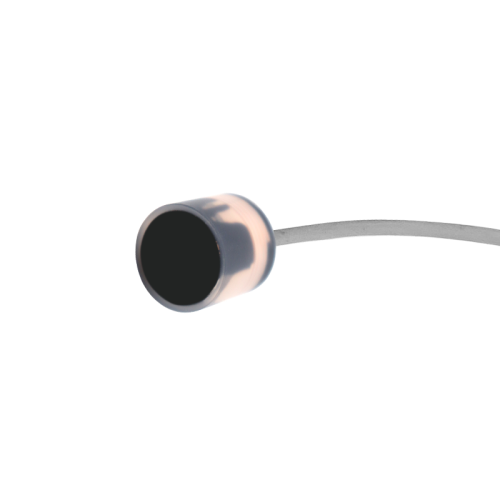
The optimization and adjustment of transducer sensitivity revolves around two main dimensions: frequency calibration and drive control. By precisely matching the transducer operating parameters, the efficiency of signal transmission and reception is maximized.
1. Precisely Match the Center Frequency to Lock in the Optimal Operating State
The sensitivity of an ultrasonic transducer is highly correlated with the operating frequency. Only at the center frequency does the transducer achieve the highest piezoelectric conversion efficiency, the strongest signal transmission and reception, and peak sensitivity.
During adjustment, use professional instruments to scan the transducer's frequency response curve, identify the center frequency corresponding to the resonance peak, and precisely calibrate the drive signal frequency to that value. Deviating from the center frequency reduces the electromechanical conversion efficiency, leading to signal attenuation and increased noise, which directly lowers wind measurement accuracy. In production debugging, Dayu Electronics uses automated frequency calibration equipment to ensure that every transducer is matched to its optimal center frequency, adapting to the full operating conditions of anemometers.
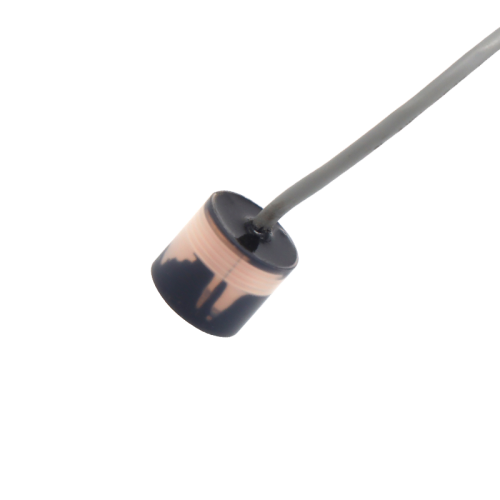
2. Reasonably Adjust the Drive Voltage to Balance Sensitivity and Stability
Drive voltage is a direct parameter for controlling transducer sensitivity. Within the rated voltage range of the transducer, appropriately increasing the drive voltage enhances the ultrasonic signal transmission power, improves the reception capability of weak wind signals, and thus increases sensitivity; lowering the voltage can suppress noise and adapt to high-interference environments.
In practice, adjust precisely according to the measurement scenario: for low wind speed and long-distance measurement, moderately increase the drive voltage to ensure signal strength; for high wind speed and strong interference environments, reasonably control the voltage to avoid signal overload. Dayu Electronics uses its self-developed drive circuit design to achieve fine voltage adjustment, balancing sensitivity and long-term operational stability of the equipment, and avoiding overvoltage damage to transducer components.
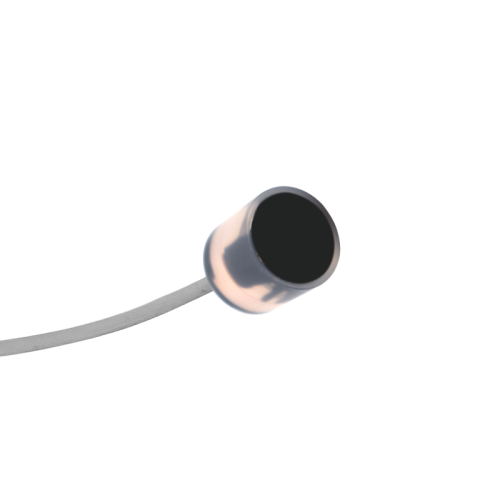
Dayu Electronics Technological Empowerment Ensures High Performance of Wind Measurement Equipment
As a professional provider of ultrasonic sensing solutions, Dayu Electronics has always focused on the technical optimization and process upgrade of ultrasonic transducers. For transducers specifically used in ultrasonic anemometers, we have established a standardized sensitivity debugging process. Through precise center frequency calibration and intelligent drive voltage matching, the transducers maintain high sensitivity and stable operation across a wide temperature range of -40°C to 85°C and under complex meteorological conditions, enabling anemometers to achieve high precision, low power consumption, and long service life.