
Dayu Ultrasonic Sludge Level Meter: Field Applications and Installation Notes in Coal Preparation Plants [Dayu Electronics]
Dayu Ultrasonic Sludge Level Meter: Field Application and Installation Notes in Coal Preparation Plants.
The Ultrasonic Sludge Level Meter as the "Smart Eye" in Coal Preparation Plants: A Guardian of Precise Monitoring and Safe Operations
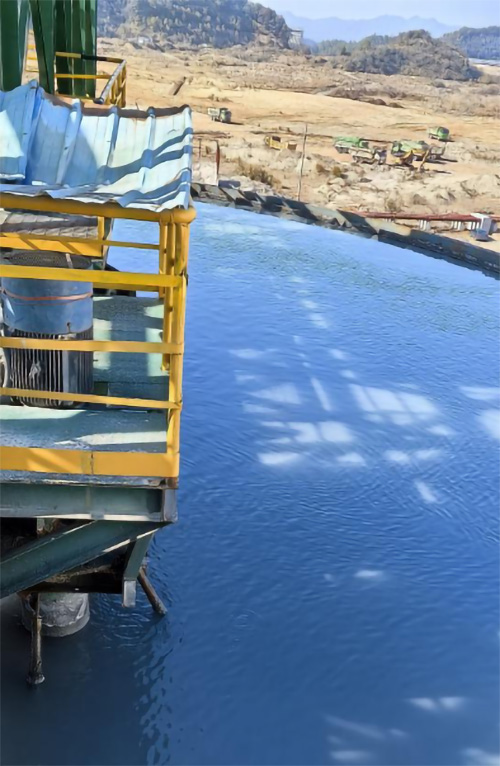
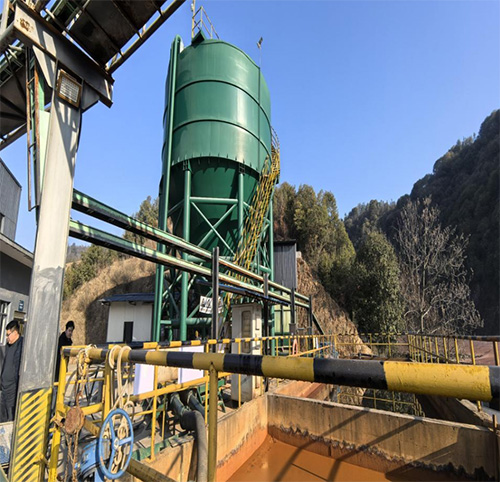
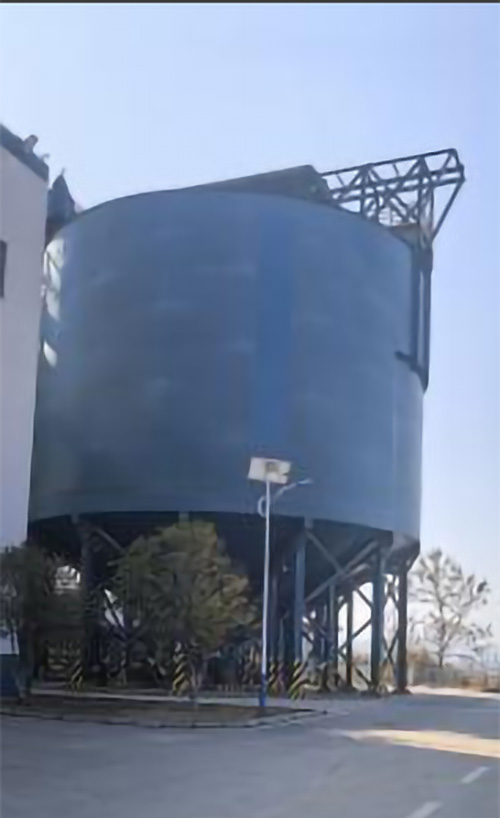
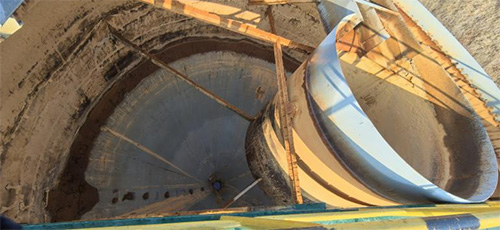
In the production environment of a coal preparation plant, tall storage tanks (as shown in Figure 1), intricate piping systems, and thickener tanks (as shown in Figure 3) form the core area of coal slurry water treatment. The ultrasonic sludge level meter (as shown in Figures 2 and 5) is an indispensable "smart eye" in this industrial setting—it uses non-contact ultrasonic measurement technology to capture real-time dynamic changes at the coal slurry water interface, providing critical data support for the stable operation of the coal preparation process.
1. Field Application: How Does the Sludge Level Meter "Empower" Coal Preparation Production?
During coal preparation, coal slurry water must settle and separate in the thickener tank. The sludge level (height of the coal slurry layer) directly affects flocculant dosing, underflow discharge, and the risk of "rake pressing." The ultrasonic sludge level meter emits ultrasonic waves through its probe and uses differences in medium density to reflect signals, accurately identifying the interface between the "clarified water layer" and the "settled coal slurry layer" (as shown by the waveforms and values displayed in real time on the screen in Figure 2). Combined with the on-site layout of storage tanks (as shown in Figure 4) and pipelines, the sludge level meter can be linked to the control system:
When the sludge level is too high, it automatically triggers the underflow pump to accelerate discharge, preventing the rake mechanism from being "pressed" by an excessively thick coal slurry layer;
When the sludge level is stable, it optimizes flocculant dosing to reduce chemical consumption;
Through long-term data accumulation, it provides a basis for process optimization and improves coal slurry water treatment efficiency.
2. Installation Notes: Ensuring "Stable Operation" of the Sludge Level Meter in Complex Environments
Coal preparation plants have high dust levels, high humidity, and strong electromagnetic interference. The stable operation of the sludge level meter requires attention to the following details:
1. Installation Position: Avoid "Interference Sources"
As shown in the thickener tank interior in Figure 3, the probe must be installed in an area with stable water flow, away from inlets, flocculant dosing points, and metal structures—turbulence, bubbles, or obstacles can interfere with ultrasonic signals and cause inaccurate readings.
2. Parameter Calibration: Match "Coal Slurry Characteristics"
Different coal types have different ultrasonic reflection capabilities. Regular on-site sampling (as shown by the handheld calibration device in Figure 5) is needed to adjust instrument sensitivity and sound velocity parameters to ensure accurate interface detection.
3. Maintenance: Remove "Surface Deposits"
The probe is exposed to humid, dusty environments for extended periods, so coal dust or water droplets can easily accumulate on its surface. Regular cleaning is necessary (the protective design of the device housing in Figure 5 facilitates maintenance) to avoid signal attenuation.
4. Anti-Interference Design: Handle "Industrial Noise"
On-site motors, pumps, and other equipment generate electromagnetic interference. An industrial-grade sludge level meter with anti-interference capabilities (as shown by the shielding design and stable display in Figures 2 and 5) is required to ensure reliable data transmission.
From interface monitoring in the thickener tank (as shown in Figure 3) to remote display near storage tanks (as shown in Figure 4), the ultrasonic sludge level meter, with its "non-contact, high-precision" advantages, serves as a "safety guardian" for the coal slurry water system in coal preparation plants. Only by optimizing installation and maintenance based on the on-site environment can this "smart eye" continue to safeguard production stability and help upgrade the coal preparation process toward intelligence and efficiency.
Summary
The application of the ultrasonic level difference meter at the front and rear screens enables non-contact, high-precision, and high-reliability monitoring of water levels, greatly enhancing the level of automated control. During installation, special attention must be paid to position selection, blind zone reservation, environmental interference protection, and routine maintenance to ensure long-term stable operation of the equipment, providing reliable data support for systems such as sewage treatment and pump station automation.