
Depth Sounding from an Electric Pleasure Boat on a Lake [Dayu Electronics]
Depth Sounding from an Electric Pleasure Boat on a Lake
I. Working Conditions
1. Location: Lake
2. Mounting Platform: Electric pleasure boat, see figure.
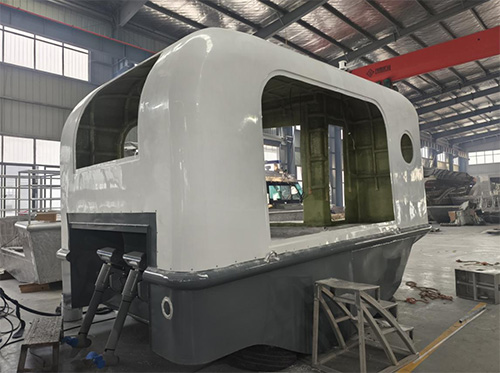
An electric pleasure boat is a small recreational vessel powered by batteries, which drives a propeller or water jet thruster via an electric motor. It is primarily designed for calm inland waters, such as park lakes, scenic waterways, reservoirs, resorts, and urban sightseeing water systems. Its core features are environmental friendliness, quiet operation, and ease of use, making it an important tool for modern leisure tourism and water recreation.
Compared with traditional fuel-powered boats, electric pleasure boats offer significant environmental advantages. They do not burn fuel during operation, achieving zero exhaust emissions and causing no pollution to the air or water, which aligns well with the ecological protection requirements of scenic areas. At the same time, the electric motor operates with extremely low noise, eliminating the roar of fuel engines and creating a peaceful and comfortable touring environment.
In terms of economy, electric pleasure boats also excel. The cost of using electricity is far lower than that of fuel, and daily charging expenses are minimal. Its powertrain system is simple in structure, with a low motor failure rate, and maintenance is easier and cheaper than with internal combustion engines, eliminating complex procedures such as oil and filter changes.
Safety and ease of use are two other major highlights of electric pleasure boats. They do not use fuel or open flames, fundamentally reducing the risk of fire. The power output is linear and smooth, providing a comfortable riding experience, especially suitable for all types of passengers. In addition, operation is usually very simple and intuitive, allowing ordinary people to drive safely after brief training.
In terms of technical composition, the core of an electric pleasure boat includes the powertrain system, propulsion method, and hull materials. The powertrain system mainly consists of the battery (lead-acid or lithium), electric motor, and electronic control system. Common propulsion methods include propeller propulsion and the safer water jet propulsion. The hull materials are mostly fiberglass, aluminum alloy, or polyethylene, each with its own characteristics.
Electric pleasure boats are used in a wide range of applications. They are standard for sightseeing on park and scenic area lakes, and are also common as special attractions in water parks and resorts. Additionally, they can be found in urban sightseeing waterways, fishing, and private leisure activities.
3. Customer Requirements: Depth measurement up to 20 meters, with a blind zone of less than 2.5 meters, because there was originally a road in the middle of the lake that is now submerged. In winter, the lake water level drops to 2.5 meters. No other special requirements.
II. Recommended Equipment
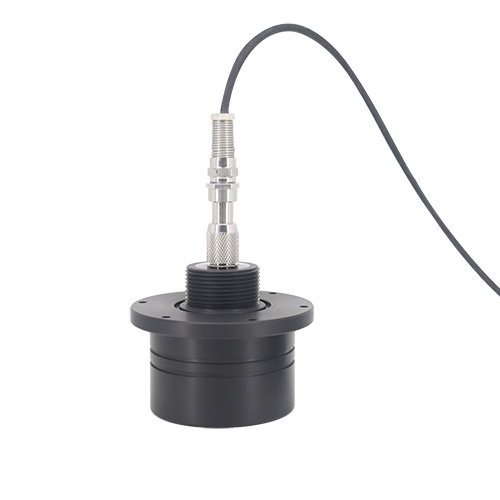
First Option: M80 Underwater Obstacle Avoidance Sensor (Pro)
200K, 200m, 485 output, blind zone 0.4m, cable length 5m (aviation plug)
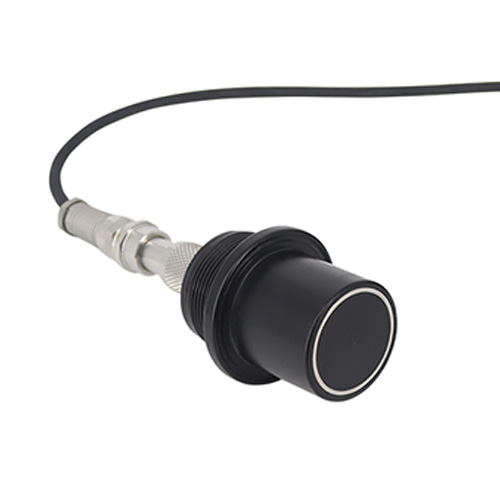
Second Option: M36 Underwater Obstacle Avoidance Sensor (Plus Standard Edition)
300K, 50m, 485 output, cable length 5m (aviation plug version)
Based on the corresponding environment
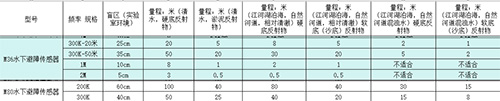
The customer ultimately choseM36 Underwater Obstacle Avoidance Sensor (Plus Standard Edition)
III. Installation Precautions
1. The installation location should be away from areas where bubbles or foam are generated, as bubbles can significantly attenuate the signal.
2. During installation, ensure power isolation, preferably using a separate battery supply, because many interference sources we encounter come from the power supply. Of course, other anti-interference measures should also be taken, such as protection from interference caused by high-power equipment like motors.
3. Ensure the sensor is installed in the water, because this sensor uses a liquid transducer. Once the transducer face leaves the water, the signal is lost.
4. During installation, ensure the mounting position is secure to prevent collisions that could damage the sensor, and avoid dragging, snagging, or pulling the cable, which could break it or loosen the aviation plug and cause leakage.