
Analysis of Core Technical Advantages of Ultrasonic Measurement of Transformer Oil Conservator Oil Level [Dayu Electronics]
Transformer oil conservator, as a key accessory of oil-immersed transformers, has its oil level monitoring directly related to equipment insulation performance and operational safety. Ultrasonic measurement technology, with its core feature of non-contact measurement, is well suited to the enclosed operation and complex working conditions of oil conservators. Compared with traditional mechanical float-type and capacitive measurement methods, it demonstrates significant technical advantages and has become the preferred solution for oil level monitoring in the power industry.
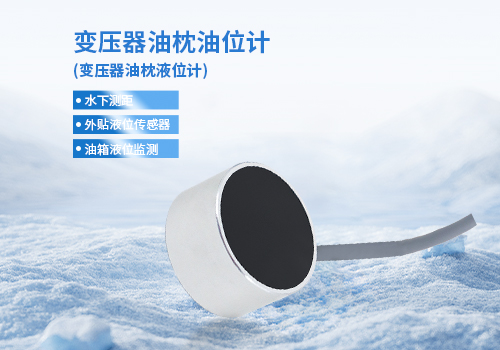
Non-contact measurement ensuring equipment safety is the primary advantage. The ultrasonic sensor is installed outside the oil conservator without the need to penetrate the tank or come into direct contact with transformer oil, avoiding the risk of oil leakage that traditional contact measurement may cause, while eliminating issues such as oil contamination and sensor corrosion. This feature perfectly adapts to the enclosed, high-voltage, and high-temperature operating environment of the oil conservator without affecting the original sealing structure of the transformer, ensuring equipment operational integrity from the source.
High measurement accuracy and strong environmental adaptability. Ultrasonic measurement is based on the principle of sound wave propagation time difference, enabling precise identification of the oil-gas interface with measurement errors controlled within ±1 mm, effectively capturing subtle changes in oil level. The equipment features a temperature compensation algorithm that withstands extreme ambient temperature fluctuations, while remaining unaffected by oil-gas mixtures inside the conservator, oil color changes, and other factors. It continues to output stable data in humid, dusty substation environments and adapts to square or cylindrical oil conservators of various specifications.
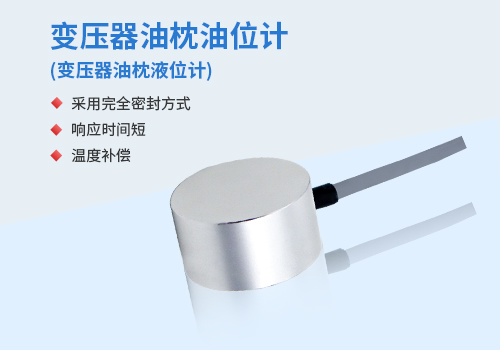
Easy installation and maintenance with long service life. The sensor uses magnetic or flange mounting, requiring no structural modification to the oil conservator, with short construction periods and simple operation. The equipment has no mechanical moving parts, avoiding the sticking and wear issues of traditional float-type measurement, with an average service life of over 8 years, significantly reducing maintenance frequency and costs. Additionally, some devices support remote data transmission, facilitating real-time monitoring of oil level status by maintenance personnel and timely detection and handling of abnormalities.
Strong compatibility and rich expansion functions. The ultrasonic oil level meter can seamlessly interface with substation SCADA systems and online monitoring platforms, outputting 4-20 mA analog signals or digital signals to meet centralized monitoring requirements. Some high-end products also integrate functions such as oil level abnormality alarms and historical data storage, providing data support for transformer condition-based maintenance and assisting the power system in achieving intelligent operation and maintenance.
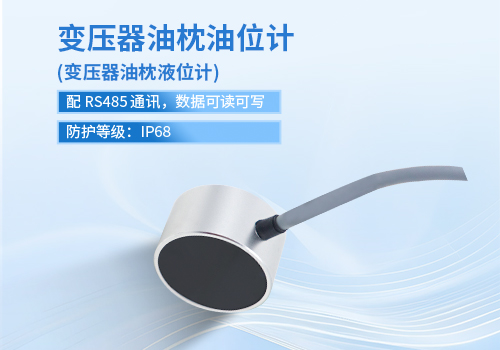
In summary, ultrasonic measurement technology, with its core advantages of safety, reliability, precision, stability, convenience, and efficiency, effectively addresses the pain points of traditional oil level measurement methods, providing a scientifically feasible technical solution for transformer oil conservator oil level monitoring and ensuring long-term stable operation of power equipment.