
Dayu Electronics Compact Doppler Flowmeter for Real-Time Monitoring of Flow Changes in Pipelines
On-site guidance for the compact Doppler flowmeter from Fuzhou Dayu Electronics
1. The role of the Doppler sewer flowmeter
Real-time monitoring of flow changes
It can monitor parameters such as flow rate, flow velocity, liquid level, and water temperature in the pipeline in real time, helping to promptly detect issues like pipe blockages and leaks, and ensuring the normal operation of the drainage system.
Analysis of pipeline operating status
It analyzes the operating status of the pipeline, including flow rate, flow velocity, and pressure, providing a scientific basis for pipe network management and improving operational efficiency.
Data acquisition and remote transmission
It supports multiple communication methods such as 4G, NB-IoT, and RS485, uploading data to the command center in real time for centralized monitoring and regional management, facilitating quick location of incident points and enhancing emergency response capabilities.
Warning and alarm functions
It promptly issues warnings for abnormal conditions such as data exceeding limits, equipment failures, and urban flooding, providing decision-making support for flood control and emergency responses.
Adaptation to complex environments
It has an IP68 waterproof rating and can operate stably for long periods in harsh environments. It supports battery power supply, making it suitable for installation in remote or complex environments.
Flow direction discrimination and net flow statistics
It can distinguish the direction of water flow, and calculate positive and negative cumulative flows and net flow, making it suitable for bidirectional flow scenarios.
2. Installation precautions for the Doppler sewer flowmeter
1. Installation location selection
· Smooth water flow: Choose a straight pipe section with smooth water flow, no vortices, or backflow. Avoid installing near elbows, valves, or pumps.
· Straight pipe requirements: Typically, the upstream straight pipe section should be at least 10 times the pipe diameter (10D), and the downstream should be 5 times the pipe diameter (5D), to ensure fully developed flow.
· Space requirements: There should be no obstacles within 1 meter in front of the probe, and the bottom of the probe should be at least 15 cm above the water surface to avoid interference from water surface fluctuations.
2. Preparation before installation
· Pipe cleaning: Thoroughly clean the inner wall of the pipe before installation to remove rust, oil, and impurities, ensuring measurement accuracy.
· Site survey: Measure the pipe diameter and wall thickness, understand the water flow velocity, water level changes, and impurity conditions, and select the appropriate model and accessories.
· Tool preparation: Prepare tools such as wrenches, screwdrivers, and coupling agent. For underwater installation, diving equipment must be available.
3. Sensor installation
· Installation direction: The sensor probe should be installed against the direction of water flow, with an angle of typically 45° to 60° relative to the flow direction, ensuring accurate measurement.
· Angle calibration: The sensor should be perpendicular to the horizontal plane. If the pipe is inclined, it can be fine-tuned, but the error generally should not exceed ±5°.
· Coupling agent use: Apply coupling agent (such as salt-free butter) to the contact area between the sensor and the pipe to ensure ultrasonic transmission efficiency.
4. Electrical connections
· Signal lines and power: Use shielded twisted pair cables, avoid running parallel to high-voltage cables, ensure correct polarity, and add a termination resistor for RS485 interfaces.
· Lightning protection and grounding: The equipment must be reliably grounded with a grounding resistance of no more than 4Ω. In areas with frequent thunderstorms, a surge protector should be installed.
5. Commissioning and maintenance
· Zero calibration: Perform zero calibration under stationary water flow conditions to ensure zero output when there is no flow.
· Regular inspections: Check the equipment appearance, cable connections, and bracket stability monthly. For underwater equipment, clean the sensor surface of any accumulated debris quarterly.
· Troubleshooting: If the signal is lost or fluctuates significantly, first check the power and signal lines, then perform a device self-test.
Summary
The Doppler sewer flowmeter, with its high accuracy, intelligence, and adaptability to complex environments, has become an important tool for modern urban drainage management. During installation, it is essential to strictly follow the specifications: from location selection, pipeline preparation, sensor installation, to electrical connections, commissioning, and maintenance. Each step is crucial to ensure long-term stable operation and maximum efficiency of the equipment.
For more detailed manufacturer installation manuals or industry standards, you can further search for "Doppler sewer flowmeter installation specifications" or contact the manufacturer for technical support.
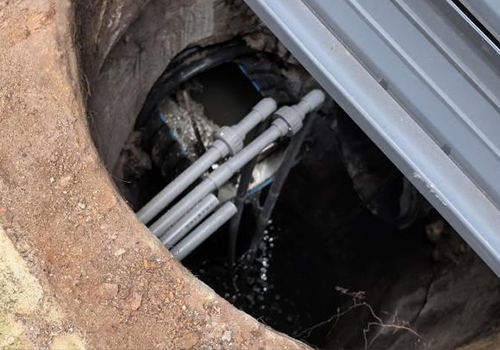
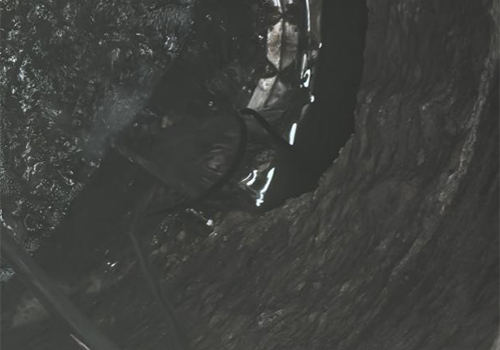
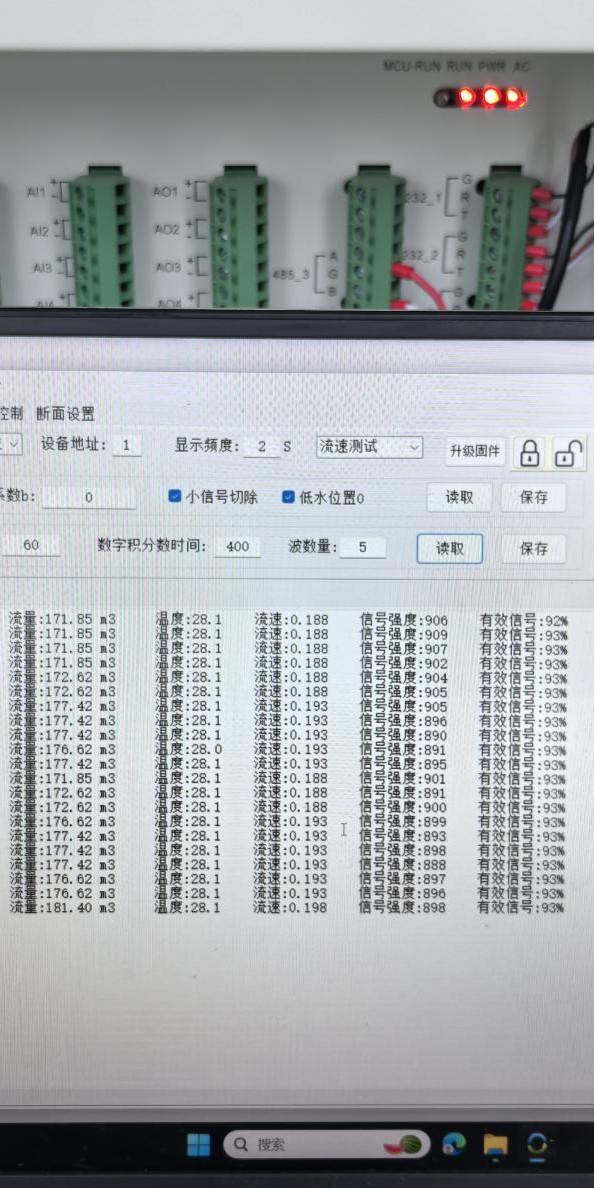
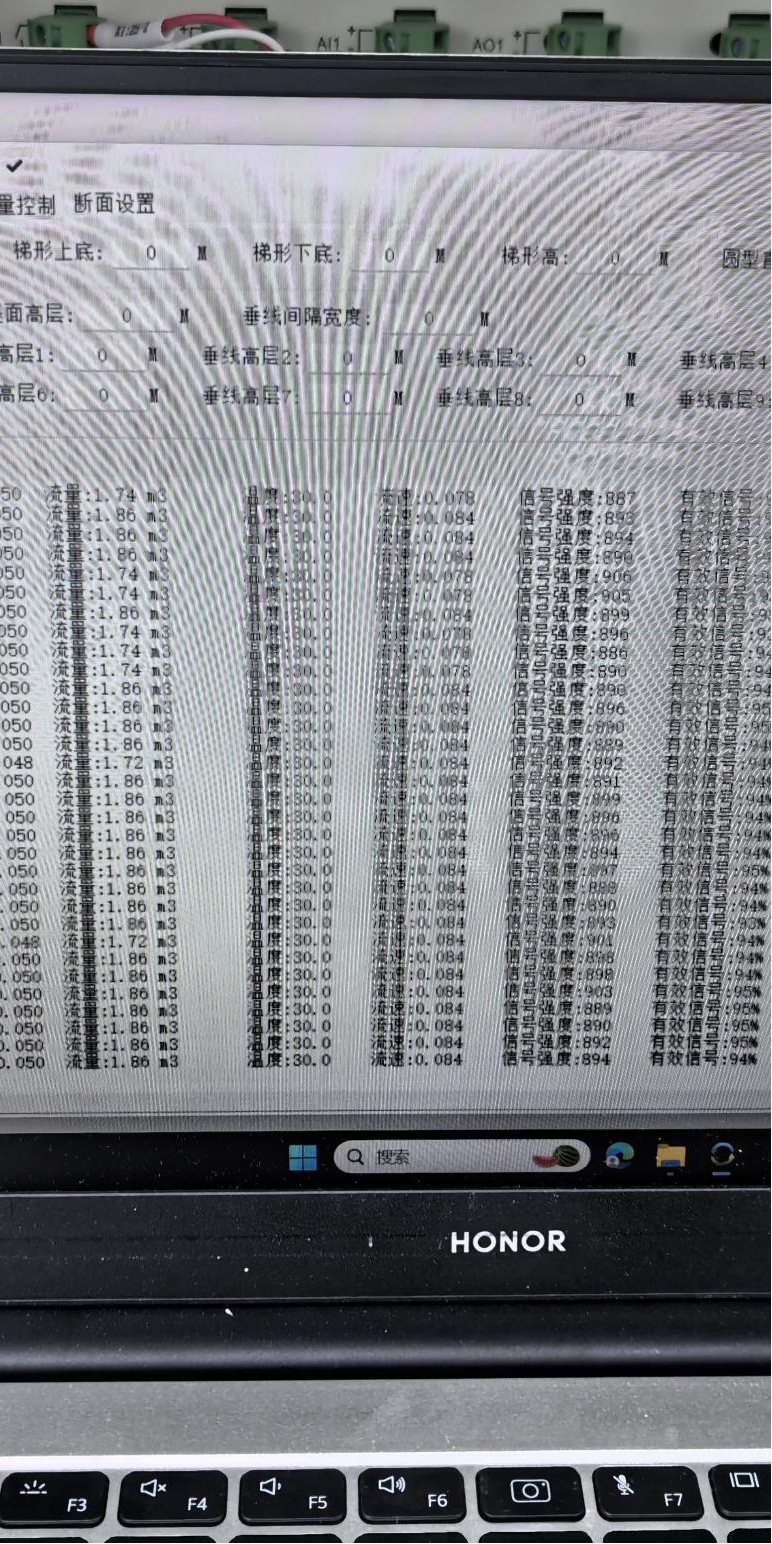
In this case, the on-site installation had an incorrect water level. After our engineers inspected the site, adjusted the parameters, and modified the installation environment, it now perfectly meets the usage requirements.