
Ultrasonic Transformer Oil Conservator Oil Level Gauge Installation Key Points [Dayu Electronics]
Ultrasonic transformer oil conservator oil level gauge is key equipment for monitoring transformer oil level. Its installation quality directly affects the accuracy of operational data and equipment safety, requiring strict adherence to technical specifications. The core precautions are as follows:
Basic preparation must be done before installation, which is a prerequisite for subsequent operations. First, verify equipment parameters to ensure the measurement range and operating temperature of the oil level gauge match the transformer oil conservator model, avoiding measurement deviations due to specification mismatches. Second, inspect the appearance and component integrity of the oil level gauge, confirm the probe is undamaged, the cable insulation is intact, and prepare compliant installation tools such as torque wrenches and sealant. Tools should be cleaned in advance to prevent impurities from entering the oil conservator.
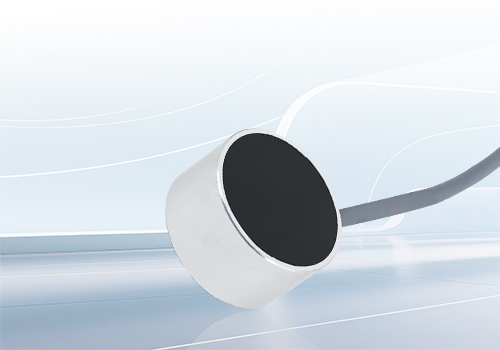
The installation process requires precise control of operational details. First, determine the installation position; install at the designated flange interface of the oil conservator, ensuring the probe is perpendicular to the oil surface inside the conservator, with deviation not exceeding ±1° to avoid abnormal ultrasonic reflection signals due to angle issues. Second, for sealing, apply oil-resistant sealant evenly on the flange, tighten bolts in a diagonal sequence in three passes, with torque values strictly following the equipment manual (typically 25-30 N·m) to prevent leakage. Third, for cable routing, secure cables on the transformer body support, avoid parallel routing with high-voltage cables, maintain a spacing of no less than 0.5 m, and provide waterproof insulation at joints to prevent moisture ingress and short circuits.
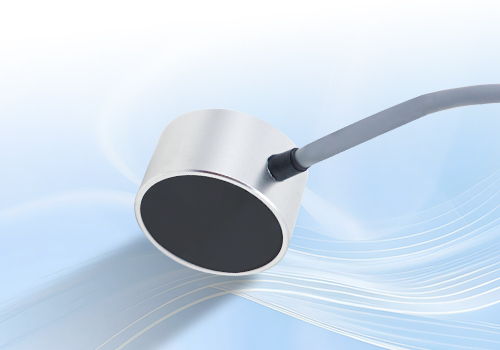
After installation, commissioning and verification must be completed to ensure normal operation. First, perform a pre-power check to confirm correct wiring and that the power supply voltage meets equipment requirements. Then, apply rated voltage, enter commissioning mode, manually adjust the oil conservator oil level, observe the deviation between the displayed value and actual oil level, and control the error within ±2 mm. Finally, conduct a trial run with continuous monitoring for 24 hours, record the oil level change curve, confirm no drift or abnormal alarms, and archive the installation and commissioning data for future maintenance.
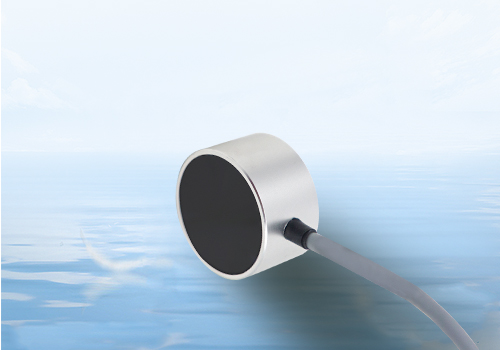
The entire installation process must strictly follow power equipment installation regulations. Each step requires dual-person verification to avoid equipment failures caused by operational errors, ensuring the oil level gauge performs its monitoring function reliably over the long term and safeguards transformer safe operation.