
Packaging Material Sorting: Core Parameters and Applications of Single/Double Sheet Detection Sensors [Dayu Electronics]
I. Industry Background
Packaging material sorting lines are a core part of automated production, requiring fast and precise differentiation between single and multiple sheets of material (such as paper, film, labels, etc.) to avoid misalignment or waste in subsequent processing (printing, cutting, packaging). Traditional manual inspection is inefficient and prone to high error rates, while single/double sheet detection sensors use non-contact technology to achieve high-speed, high-precision material sorting, enhancing the intelligence level of the production line.
II. Sensor Parameters
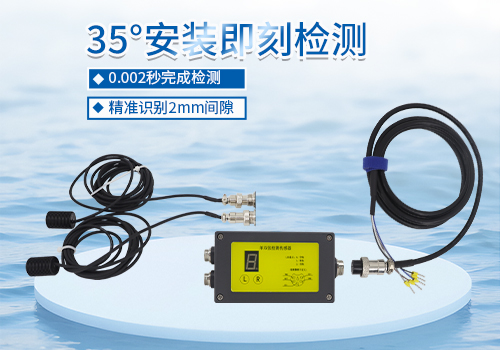
1. Detection Distance: 5-30mm (adjustable based on material thickness).
2. Response Time: ≤0.15ms (suitable for high-speed sorting lines).
3. Resolution: 0.1mm (precisely distinguishes between single and double sheets).
4. Anti-Interference Capability: Supports stable operation in dusty and vibrating environments.
5. Installation Method: Non-contact (avoids material wear), supports side-mounting or top-mounting.
III. Typical Application Scenarios
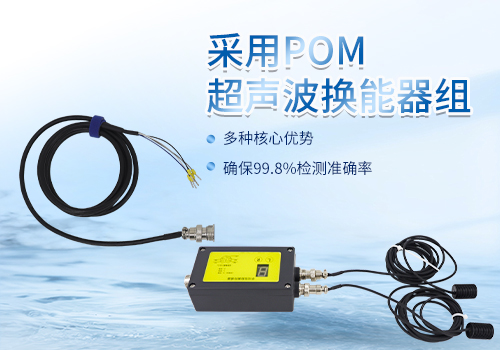
1. High-Speed Sorting Lines: Detect single/double sheets of cartons and film rolls to prevent stacking and jams.
2. Irregular Material Detection: Such as identification of irregular labels and layer separation in composite materials.
3. Multi-Layer Material Sorting: Through-detection of multi-layer stacked packaging materials (e.g., corrugated cardboard).
4. Continuous Feeding Systems: Monitor the continuity of material conveyor belts to prevent breakage or overlap.
5. Quality Traceability: Integrate with PLC to record detection data, enabling traceability of the production process.
IV. Solutions
Installation and Commissioning
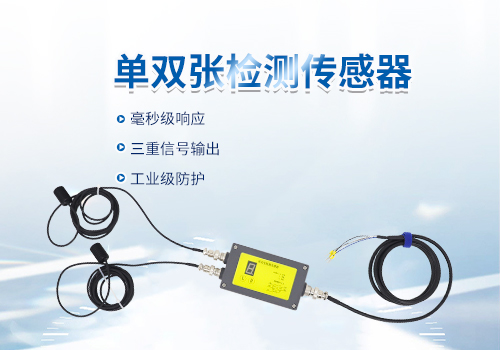
· The gap between the sensor and the material must be adjusted according to parameters to avoid false triggering.
· For irregular materials, guide rails can be added or the installation angle adjusted to ensure a flat detection surface.
System Integration
· Link with PLC and vision systems to trigger rejection devices (e.g., cylinders, robotic arms) to separate excess material.
· Upload data to the MES system to optimize sorting line efficiency.
Maintenance and Optimization
· Regularly clean the sensor surface to prevent dust accumulation from affecting accuracy.
· Recommended calibration every 3 months (adjust based on environmental complexity).
V. Precautions
· Environmental Adaptability: For high-temperature, high-humidity environments, choose industrial-grade protection (IP67 or higher).
· Cost-Effectiveness: Bulk purchasing can reduce per-unit cost; it is recommended to prioritize cost-effective domestic models.
· Data Recording: For long-term operation, regularly back up detection data for fault analysis.