Pond Pollution Monitoring Acoustic Communication Network: Data Identification and Transmission Strategies [Dayu Electronics]
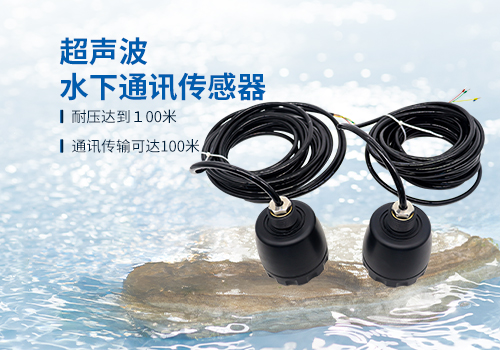
In the pond pollution monitoring scenario, the customer plans to build nodes using turbidity sensors, pollutant concentration sensors, microcontrollers, and underwater acoustic communication sensors. They intend to set up a data communication network with two acoustic sensors transmitting and one receiving.
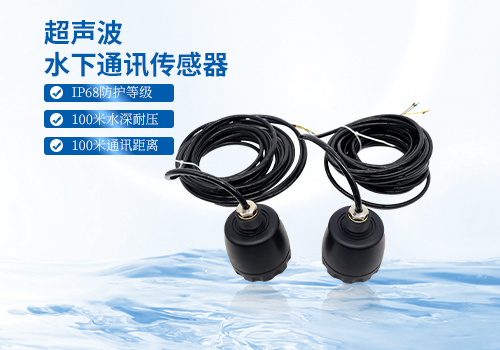
For identifying the source of data transmission, since the basic communication sensors do not have IP address functionality and cannot identify the transmitting model, marking the data is a feasible approach. A specific identifier can be added at the beginning of the data packet, such as assigning a unique number to each sensor and embedding that number into the data during transmission. The receiving end can then parse the number to determine the data source.
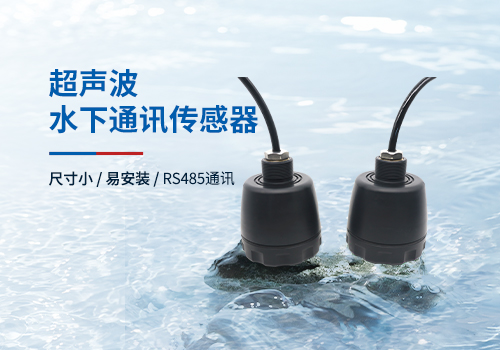
The customer asked whether the underwater acoustic communication sensors can receive data simultaneously; the answer is no. Underwater acoustic communication relies on ultrasonic transmission. If two ultrasonic signals are received at the same time, they will interfere with each other. Ultrasonic waves propagate through a medium, and the superposition of waves with different frequencies and phases can distort the received signal, causing data errors. Therefore, the two sensors must transmit data with an interval of more than 3 seconds. This provides sufficient time for the previous signal to propagate and attenuate, avoiding interference from subsequent signals and ensuring accurate data parsing at the receiving end. Reasonable application of these strategies can ensure the stable operation of the pond pollution monitoring data communication network.