
Application Case of Ultrasonic Sludge Level Meter in Sedimentation Tank of Pharmaceutical Wastewater Treatment Station [Dayu Electronics]
The pharmaceutical industry is one of the highly polluting industries, and the wastewater generated during its production process has complex components and is difficult to treat. In the wastewater treatment system of a pharmaceutical factory, the sedimentation tank is a key link used for settling and concentrating sludge. However, traditional sludge level monitoring methods have many shortcomings and cannot meet modern environmental protection requirements.
Project Background and Challenges
A pharmaceutical factory is an enterprise mainly engaged in pharmaceutical manufacturing. The wastewater generated in its production process enters the sedimentation tank for settling, forming high-concentration sludge. Previously, the sludge level monitoring of the sedimentation tank in this factory mainly relied on manual experience. Operators used long rods to probe into the tank for estimation, which could not provide continuous, accurate real-time data and required high labor intensity.
Solution
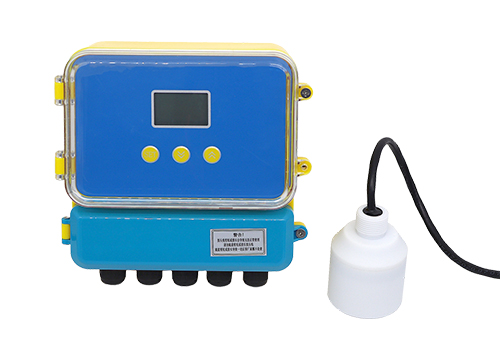
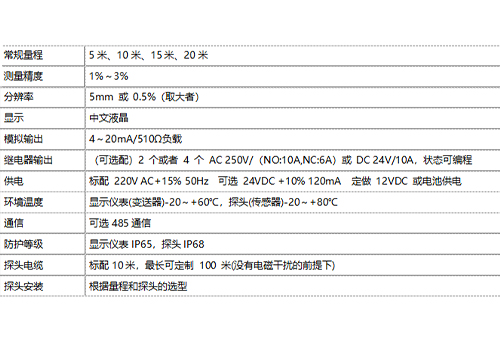
To address the above problems, the pharmaceutical factory introduced the Dayu ultrasonic sludge level meter to achieve accurate monitoring and automated control of the sludge level in the sedimentation tank. The ultrasonic sludge level meter uses the principle of ultrasonic echo detection. By emitting ultrasonic waves and receiving signals reflected from the sludge interface, it measures the sludge level height in real time.
Implementation Effect
After the introduction of the ultrasonic sludge level meter, the operation efficiency of the sedimentation tank in this pharmaceutical factory has been significantly improved, specifically reflected in:
1. Optimized sludge discharge control: Through real-time monitoring of sludge level height, the system can automatically control the start and stop of the discharge pump, avoiding premature or delayed sludge discharge and reducing energy consumption and sludge treatment costs.
2. Enhanced safety: The non-contact measurement method completely eliminates the safety hazards of manual measurement and ensures the safety of operators.
3. Environmental compliance: Precise sludge level control effectively prevents sludge overflow and floating phenomena, ensures stable and up-to-standard effluent quality, and avoids the risk of environmental penalties.