
Explosion-Proof Anemometer: Real-Time Dust Diffusion Warning Transducer for Coal Mine Roadways [Dayu Electronics]
I. Background and Requirements
1. Core Requirements for Coal Mine Ventilation Safety
The ventilation system in coal mine roadways directly affects gas concentration, dust diffusion, and working environment safety. According to the "Coal Mine Safety Regulations," wind speed must be controlled within 0.15-4m/s (for excavation faces) or 0.25-6m/s (for coal mining faces), and wind direction must ensure timely discharge of harmful gases. Traditional manual monitoring is inefficient and inaccurate, making it difficult to meet real-time dynamic requirements.
2. Technical Pain Points
· Dust, moisture, and other environmental factors can easily cause sensor failure;
· Airflow disorder in multi-roadway intersection areas requires precise identification of abnormal points;
· Data needs to be linked with emergency systems for rapid response.
II. Solution Design
1. Equipment Selection and Deployment
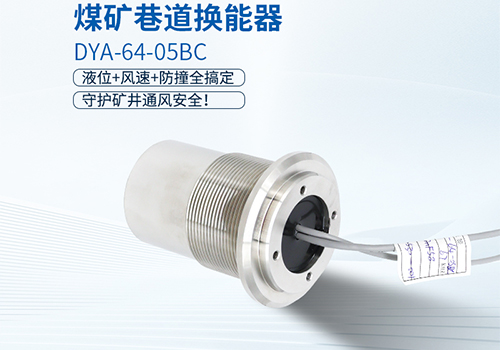
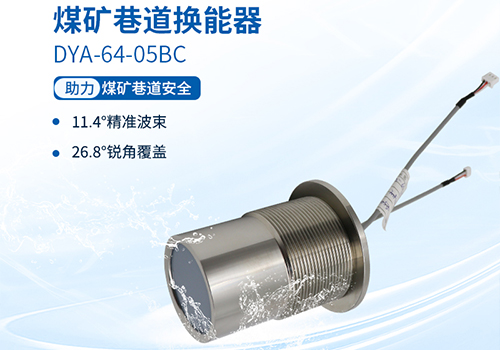
· Instrument Selection: Adopt explosion-proof anemometer (e.g., ExdⅠMb protection class), supporting a 0-15m/s range and ±0.3m/s accuracy, compatible with dusty environments.
· Deployment Strategy:
· Install fixed monitoring points in main ventilation roadways;
· Equip excavation faces with portable devices for real-time tracking of airflow changes.
2. System Integration
· Data is transmitted wirelessly (ZigBee/LoRa) to the mine safety monitoring platform;
· Set tiered alarm thresholds:
· Level 1 alarm: Wind speed below/above standard value by 10%;
· Level 2 alarm: Continuous abnormality for more than 10 minutes.
III. Implementation Effects and Benefits
1. Safety Improvement
· Case study in a mining area: After deployment, the gas exceedance accident rate dropped by 72%, and the response time for airflow abnormalities was reduced from 30 minutes to 5 minutes.
· In 2023, a coal mine optimized ventilation fan frequency using wind speed data, reducing the risk of gas accumulation.
2. Economic Benefits
· Reduced manual inspection costs by approximately 40% (previously required 2 manual records per day);
· Achieved annual electricity savings of about 15% through dynamic adjustment of fan power.
IV. Challenges and Optimization
1. Technical Difficulties and Solutions
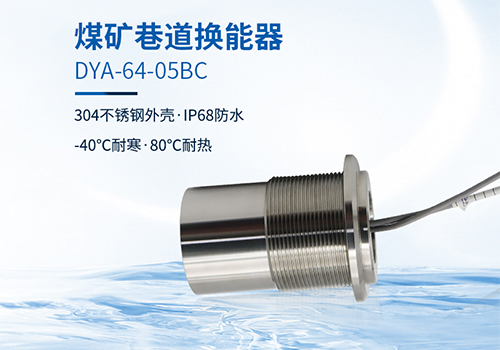
· Dust interference: Use self-cleaning sensors + regular calibration (once per quarter);
· Signal transmission: Install repeaters in metal support areas to ensure wireless signal coverage.
2. Management Optimization
· Establish a closed-loop process of "monitoring-alert-response" and clarify job responsibilities;
· Extend data storage period to 2 years to support accident tracing.
V. Conclusion and Outlook
Anemometer transducers have become core equipment for intelligent ventilation in coal mines. In the future, they can be combined with AI algorithms to achieve:
· Airflow simulation and prediction to optimize ventilation paths in advance;
· Integration with underground robots to automatically close air doors in abnormal areas.