
Precision Hydrophone Monitoring: Intelligent Feeding Decision System for Salmon Net Pens by Dayu Electronics
Customer Background:
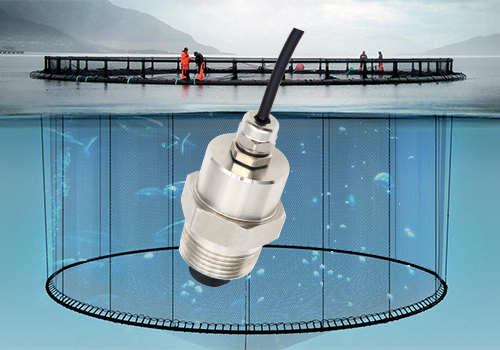
Mr. Wang operates a modern salmon net pen farming base in a sea area of Guangdong, equipped with several large net pens. Salmon farming demands high standards for water quality, feed, and feeding management. Previously, Mr. Wang relied on experience and surface observation to determine feeding amounts and frequency. However, since salmon spend most of their time underwater, observation is extremely difficult. He often worried that underfeeding would affect growth, or overfeeding would cause feed waste and eutrophication, increasing the risk of fish disease.
Challenges and Pain Points:
Difficulty in Underwater Observation: Salmon mainly inhabit the middle and lower water layers, making it hard to observe their feeding behavior with the naked eye, especially in rough sea conditions or low light.
Low Feeding Precision: It was impossible to accurately assess the hunger level of the fish school and actual feed consumption, leading to overfeeding or underfeeding.
High Feed Cost: Salmon feed is expensive, and waste represents a direct economic loss.
Delayed Health Alerts: During the early stages of disease or when the environment is unsuitable, fish feeding behavior changes, but manual inspection often fails to detect these changes promptly, missing the optimal intervention window.
Labor Cost and Intensity: Significant manpower was required for inspection and feeding decisions, resulting in high labor intensity and low efficiency.
Solution:
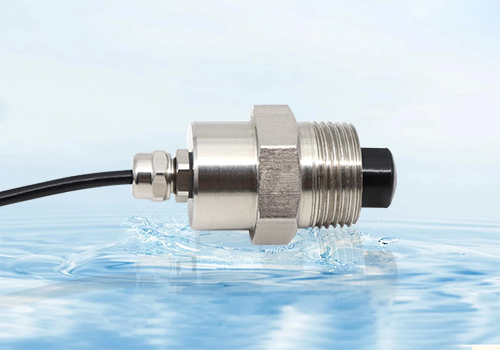
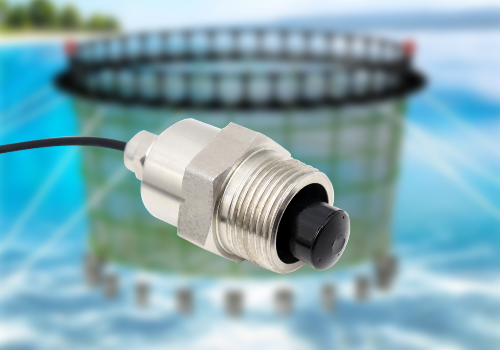
Our technical team, in cooperation with Mr. Wang's farming team, installed Dayu underwater acoustic sensors (hydrophones) in selected net pens. Considering the activity patterns of salmon, we deployed sensors at multiple points to ensure comprehensive monitoring of the fish school's feeding activity.
Application Results and Customer Feedback:
Targeted Feeding: The clear feeding activity curves and satiety indicators on the management terminal made feeding decisions simple and precise. When the curve showed vigorous feeding, we increased the feed amount or extended the feeding duration; when the curve flattened, indicating the fish were near satiation, feeding was stopped promptly. The amount of scattered feed was significantly reduced.
Reduced Labor Cost: There was no longer a need for frequent underwater inspections or prolonged observation from the boat side, reducing manpower requirements and lowering the risk and labor intensity for divers.
Improved Overall Efficiency: Precise feeding led to healthier fish and faster growth, while reducing feed costs and environmental risks, thereby enhancing overall farming efficiency.