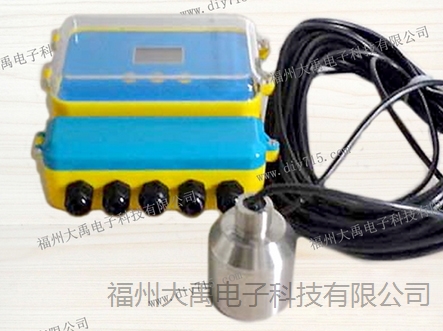
Dayu Electronics Engineers Troubleshoot Ultrasonic Sludge Interface Meter Fault at Hebei Thermal Power Plant
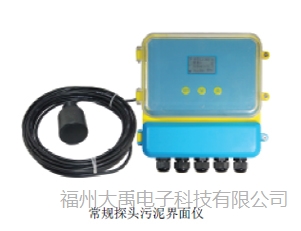
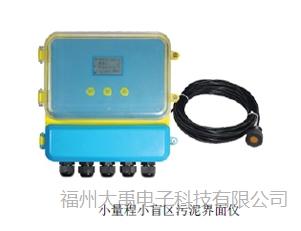
Ultrasonic Sludge Interface Meter, also known as the Ultrasonic Sludge Level Meter, is used to detect the height of sedimented sludge in water tanks.
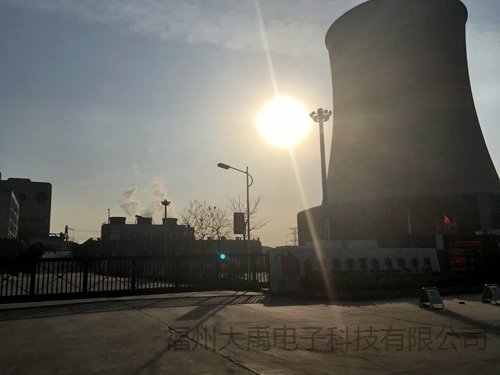
Recently, our company received a call from the Handan Thermal Power Plant in Hebei, stating that the sludge interface meter was not displaying data during operation, and the plant's technical staff could not resolve the issue. Our company immediately dispatched engineers to the Handan Thermal Power Plant in Hebei.
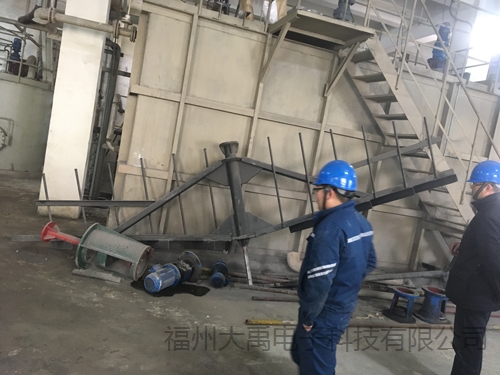
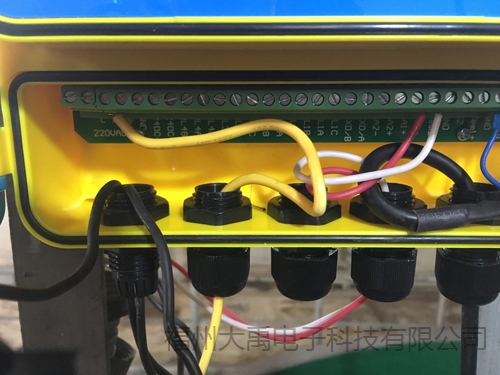
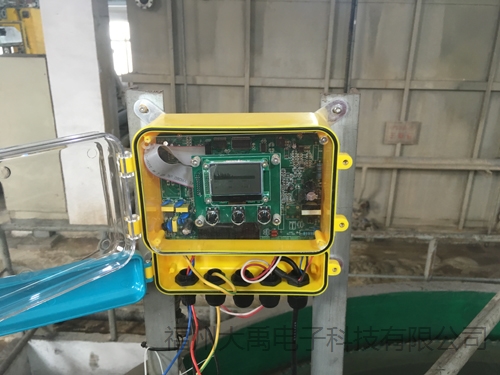
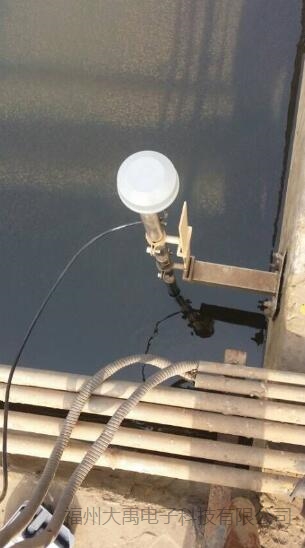
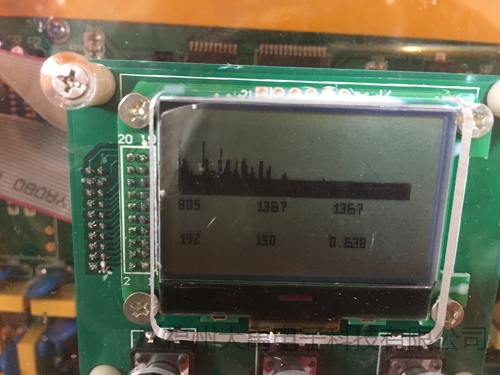
Upon arrival, Engineer Pan conducted a detailed inspection of the sludge interface meter's installation and operational usage. During the inspection, it was found that the thermal power plant was using a transducer frequency of 200kHz to detect the sedimented sludge height in the water tank, resulting in unclear echoes and failure to identify normal data. Engineer Pan replaced the instrument with a 300kHz unit; however, after power-up, the display showed the startup screen but did not transition to the normal display, and the system was unstable, leading to a freeze. He then inquired with the on-site technical staff whether there were any interferences below the water level being measured. The on-site technician informed Engineer Pan that there was a mixer located 4 meters below the bottom of the probe, which was continuously operating. This confirmed Engineer Pan's suspicion that the instrument malfunction was caused by interference from the on-site equipment.
After confirming that the sludge level would not rise above the mixer, Engineer Pan masked the 4-meter measurement range from the probe bottom to the mixer, effectively setting the probe's blind zone to 4 meters and only measuring data beyond that point. The instrument then returned to normal operation.
With the issue successfully resolved, the technician at the thermal power plant was very pleased and gained valuable insights into the operating principles, as well as methods for analyzing and troubleshooting faults.
Attached images are as follows: