
Ultrasonic Level Gauge Installation Guide Case Study [Dayu Electronics]
Separate ultrasonic level gauge is a non-contact level measurement device that achieves level monitoring by transmitting and receiving ultrasonic signals. It is widely used in industrial, environmental, energy, and other fields. Below is a comprehensive analysis of its typical application scenarios and usage precautions.
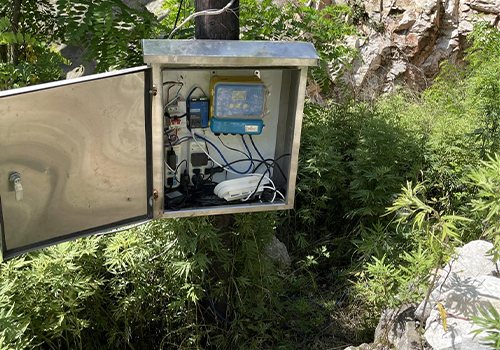
1. Application Scenarios
Industrial Sector
1. Chemical and Petroleum Industries: Used for monitoring liquid levels in storage tanks and reactors, especially suitable for corrosive, high-viscosity, or particle-containing liquids (such as acid and alkali solutions, oil products).
2. Food and Pharmaceutical Industries: Monitors liquid levels in raw material tanks and fermentation tanks to ensure production processes meet hygiene standards and avoid contamination.
3. Power and Energy: Monitoring cooling water circulation systems and boiler water levels in power plants to ensure safe equipment operation.
4. Environmental Protection and Water Management
5. Sewage Treatment Systems: Monitors levels in regulating tanks and sedimentation tanks to optimize treatment processes and prevent overflow.
Water Reuse Systems: Real-time monitoring of water levels in storage tanks triggers pump start/stop to avoid dry running or overflow, improving water resource utilization.
6. Rainwater Collection and Discharge: Monitors water level changes in urban drainage systems to assist flood control scheduling.
Special Medium Handling
7. High or Low Temperature Environments: Adapts to extreme conditions such as chemical reactors and cryogenic storage tanks by installing extension pipes or insulation devices.
8. Flammable and Explosive Media: Explosion-proof designs meet safety monitoring requirements for petrochemical storage tanks and hazardous goods warehouses.
Intelligent System Integration
SCADA Systems: Integrates with PLC, DCS, and other industrial control systems for remote monitoring and automated adjustment of level data.
IoT Applications: Data is uploaded to cloud platforms via wireless transmission modules, supporting real-time viewing and analysis on mobile devices.
2. Usage Precautions
1. Installation Requirements
Location Selection:
Avoid areas with severe liquid surface fluctuations (such as near inlets/outlets) to prevent interference from air bubbles and foam.
Installation height must meet range requirements: the distance from the transmitting surface to the high liquid level should be greater than the instrument's blind zone, and the distance to the low level should be less than the range.
Installation Method:
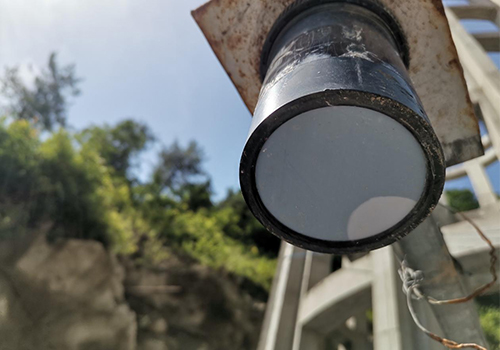
Top or side installation is preferred to ensure the transducer's transmitting surface is parallel to the liquid surface; if the tank wall is rough, maintain a distance of 0.3–0.5 meters from the wall to reduce reflection interference.
For special conditions (such as insufficient blind zone), a vertical extension pipe with smooth inner walls and diameter ≥80mm should be installed to ensure smooth liquid flow.
2. Maintenance and Calibration
Daily Cleaning: Regularly wipe the sensor surface with a soft cloth dipped in alcohol to prevent dust and dirt from affecting ultrasonic transmission/reception.
Calibration Cycle: Calibrate every 3–6 months using standard levels or professional equipment to compensate for errors caused by environmental changes (such as temperature fluctuations).
Cables and Connections: Check the integrity of shielded cables to avoid water ingress or corrosion at connectors, ensuring stable signal transmission.
Safe Operation
Medium Limitations: Avoid directly measuring high-viscosity, bubble-containing, or fast-flowing liquids; if necessary, install baffles or buffer devices.
Environmental Protection:
For outdoor installation, add a sun shield; in lightning-prone areas, additional lightning protection devices are required.
For high/low temperature environments, add insulation or cooling systems to prevent electronic components from overheating or freezing.
Power-off Operation: Power must be disconnected before maintenance, and confirm no flammable or explosive substances are present in the equipment to avoid electric shock or explosion risks.
Troubleshooting
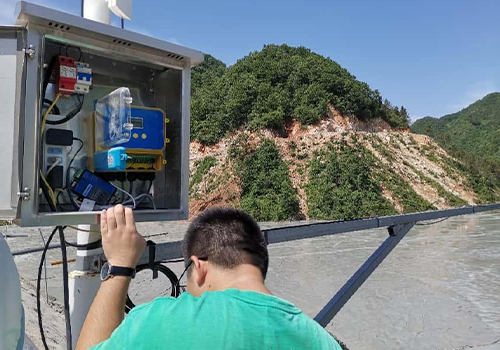
1. Signal Anomalies: Check for condensation on the transducer, cable damage, or adjust filter parameters to eliminate noise interference.
2. Data Drift: If accuracy degrades after long-term use, recalibrate or replace aging components (such as the transducer).
3. The separate ultrasonic level gauge has broad applicability in industrial and environmental fields, but the appropriate model (e.g., explosion-proof, corrosion-resistant) must be selected based on specific working conditions, and installation and maintenance specifications should be strictly followed. It is recommended to refer to the equipment manual or contact the manufacturer for customized solutions.