
Dayu Electronics Ultrasonic Bolt-On Sensor Enables Non-Contact Monitoring of Transformer Oil Conservator Liquid Level
Project Background
In a substation operated by a power company, liquid level monitoring of the transformer oil conservator has always been a critical task. Traditional monitoring methods require drilling holes to install sensors, which poses a risk of oil leakage and potential safety hazards due to improper operation. Additionally, the oil conservator wall thickness is 7mm, imposing higher requirements on sensor penetration and measurement accuracy. To address these issues, the company decided to adopt a non-contact ultrasonic bolt-on sensor for real-time monitoring of the oil conservator liquid level, ensuring safe and stable transformer operation.
Technical Solution
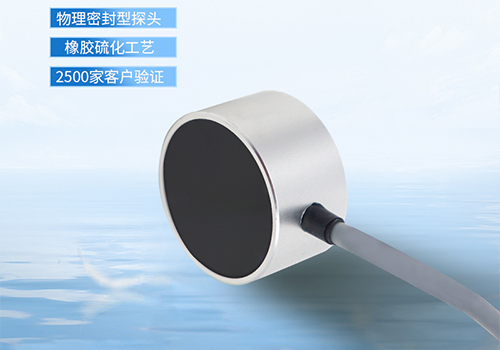
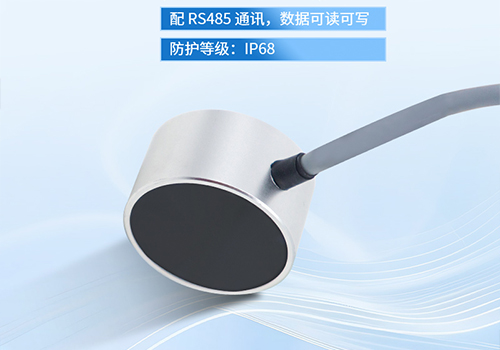
Core Equipment: Ultrasonic bolt-on sensor
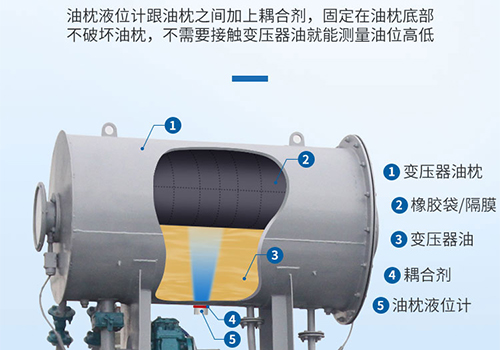
Working Principle: The sensor emits ultrasonic waves and receives reflected echoes, calculating the liquid level height in the oil conservator based on sound wave propagation time. Since non-contact measurement is used, no drilling is required, avoiding risks of oil leakage and contamination.
Technical Features
High Measurement Accuracy: The ultrasonic sensor can penetrate the 7mm thick oil conservator wall, achieving precise measurement with an error of less than 1%. It accurately reflects liquid level changes in the oil conservator, providing reliable data support for transformer operation.
Non-Contact Measurement: The sensor is mounted externally on the oil conservator wall without contacting the oil, eliminating the risk of oil leakage caused by drilling installation, while also reducing operator exposure to high-voltage equipment, thereby enhancing operational safety.
Strong Stability: Unaffected by factors such as pressure, reducing measurement errors caused by pressure fluctuations.
Summary
The application of the ultrasonic bolt-on sensor in transformer oil conservator liquid level monitoring fully demonstrates the advantages of non-contact measurement technology. It not only overcomes the limitations of traditional monitoring methods but also significantly improves measurement accuracy and safety.