
Application of Radar Level Gauge in Pharmaceutical Tank at Pharmaceutical Factory [Dayu Electronics]
High-condition adaptability solution for radar level gauge in agitated pharmaceutical tanks at pharmaceutical factories
(DN50 tank | high-temperature agitation environment | precise dynamic level monitoring)
In pharmaceutical processes, DN50 tanks are commonly used as key equipment such as bioreactors and mixing tanks. The internal medium is continuously sheared by the agitator (speed 150 rpm, regulated via gearbox), causing 5–10 cm level fluctuations, while the temperature inside the tank reaches 100°C. With its narrow beam angle, high-temperature resistance, and anti-vibration design, the radar level gauge achieves stable measurement under such complex conditions, meeting the pharmaceutical industry's stringent requirements for sterility, data reliability, and process controllability.
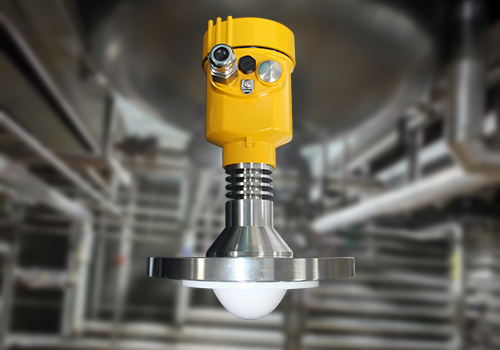
Core process challenges and radar level gauge technical adaptability analysis
1. High-temperature and sealing requirements
? 100°C condition adaptation: The sensor uses PTFE sealing components and 316L stainless steel housing, with high-temperature performance compliant with ASME BPE standards, preventing seal failure due to thermal expansion.
? Hygienic connection: The DN50 flange (https://baike.baidu.com/item/%E6%B3%95%E5%85%B0/2771118) is equipped with a Tri-Clamp quick-connect interface, enabling dead-zone-free installation on the tank top, suitable for CIP/SIP cleaning (140°C steam sterilization) processes.
2. Agitation disturbance and level fluctuation suppression
? Narrow beam angle optimization: A 6° ultra-narrow beam angle antenna (80 GHz frequency) is selected, focusing the measurement area to avoid mechanical interference from the agitator and effectively penetrating surface vortices.
? Dynamic signal processing: Based on FMCW (Frequency Modulated Continuous Wave) technology, a dynamic noise filter algorithm eliminates the influence of level fluctuations, achieving a measurement resolution of ±1 mm and ensuring continuous tracking of level trends under agitation.
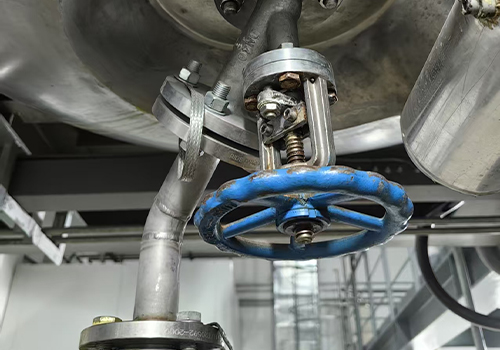
3. Mechanical vibration and installation reliability
? Anti-vibration structural design: Built-in MEMS acceleration compensation module suppresses mechanical vibration transmitted by the agitation system (vibration intensity ≤2.5g), avoiding signal distortion.
? Rigid fixation solution: Standard tank-top reinforcement bracket reduces the impact of tank resonance on measurement accuracy, complying with ISO 10816-3 mechanical vibration standards.
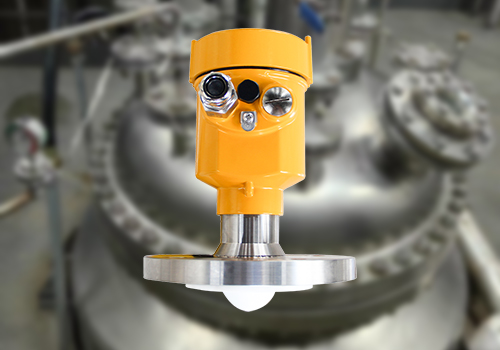
Compliance design and value for the pharmaceutical industry
? Sterility assurance: Non-contact measurement avoids medium contamination; surface roughness Ra≤0.4μm, EHEDG certified, supporting sterile product manufacturing.
? Data integrity: Built-in audit trail function compliant with FDA 21 CFR Part 11 records level, temperature, and equipment status data, enabling electronic batch record traceability.
? Predictive maintenance: Outputs vibration spectrum and temperature trends via HART protocol, providing early warnings of agitation system anomalies (e.g., bearing wear) to reduce unplanned downtime risk.
Recommended installation position: Avoid directly above the agitator shaft; use a 15° lateral tilt to optimize beam coverage.
For the high-temperature agitation condition of DN50 tanks, the radar level gauge significantly improves the effective data capture rate of level measurements (measured >99.2%) through narrow beam focusing, dynamic noise suppression, and anti-vibration compensation technologies, providing pharmaceutical companies with a full-lifecycle tank level management solution compliant with cGMP, FDA, and ISPE standards.