
Radar Flow Meters Empower Rural Water Pricing Reform: The Path to Precision Metering Breakthroughs [Dayu Electronics]
Radar flow meters support rural water pricing reform, enabling refined water management.
In the current wave of rural water pricing reform, how to achieve refined management and fair billing of water resources has become a core challenge. Radar flow meters, with their advanced technological advantages, are gradually penetrating rural channels, becoming a powerful assistant in overcoming traditional metering difficulties and promoting reform implementation. Multiple regions have achieved remarkable results, fully demonstrating their value and potential.
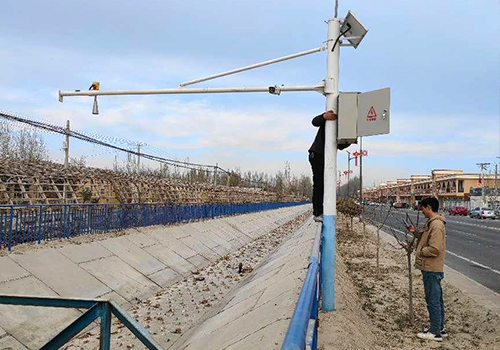
The Transformation Path of a Village in an Arid Mountainous Area of Xinjiang
In a village in an arid mountainous area of Xinjiang, water resources have always been regarded as a lifeline. However, for a long time, this area could only rely on limited spring water and small irrigation channels to meet agricultural and domestic water needs. In the past, the extensive water supply model and the system of equal cost sharing among households not only led to serious water waste but also caused payment disputes among villagers. This dilemma only found a turning point with the arrival of radar flow meters.
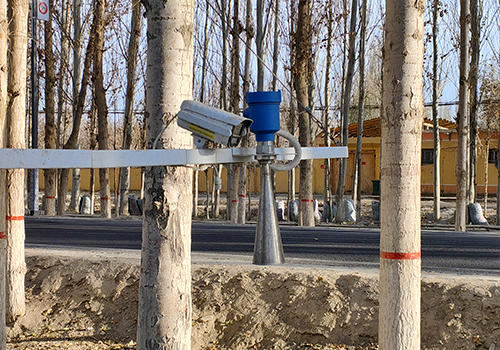
The village introduced radar flow meters in the main irrigation channel and branch channels for domestic water, achieving precise monitoring of water flow. During the spring plowing season, the devices are suspended above the channels, with microwaves like torches, accurately locking onto the water surface. Even millimeter-level water level changes cannot escape their "eagle eyes." Using the Doppler principle, the devices can accurately analyze water flow velocity and transmit real-time flow data to the village's smart water platform. This initiative provides a scientific basis for formulating tiered water pricing and irrigation quotas.
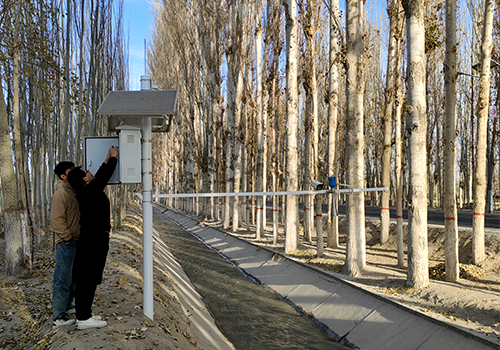
Significant Results, Steady Reform Progress
Thanks to the precise metering of radar flow meters, the village quickly established a tiered water pricing and irrigation quota system. Villagers are required to pay additional fees after exceeding the quota, a mechanism that effectively stimulates water-saving awareness. Statistics show that irrigation water usage per mu decreased by 20%, which not only greatly alleviated water source shortages but also made water fee collection fairer and more transparent. Villagers have expressed that the current water fee system is both reasonable and fair, completely resolving payment disputes among neighbors and laying a solid foundation for the smooth advancement of water pricing reform.
If you are also facing similar field measurement needs, whether for water level or flow, please do not hesitate to contact us. We are willing to work hand in hand with you to provide strong support for your water resource management and jointly promote the success of rural water pricing reform!