
Unveiling the Anemometric Transducer: The Unsung Hero Behind Meteorology, Environmental Protection, Navigation, and Aviation!
Anemometric transducers are widely used across multiple fields, primarily including the following:
1. Meteorological Monitoring
Core Application: In the field of meteorological observation, anemometric transducers are indispensable key equipment. They continuously monitor wind speed and direction, providing valuable data for weather forecasting and climate science research. With precise wind condition information, meteorologists can gain deeper insights into the dynamic changes of weather systems, thereby enhancing the accuracy and timeliness of forecasts.
Technical Features: Utilizing the physical properties of ultrasound, wind speed is calculated by transmitting ultrasonic pulses at timed intervals and precisely recording their round-trip time; simultaneously, wind direction is accurately captured using the Doppler effect principle.
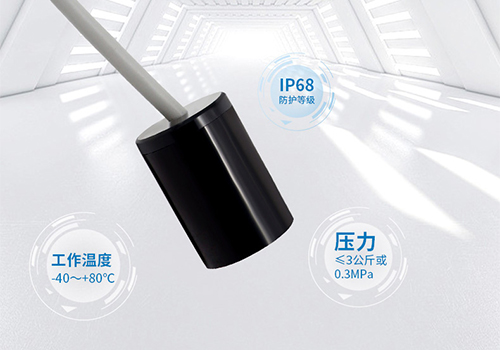
2. Environmental Protection
Important Tool: Anemometric transducers also play a significant role in environmental monitoring. They help monitor the dispersion patterns of air pollutants, providing a scientific basis for environmental decision-making. By accurately capturing wind speed and direction, the trajectory and speed of pollutants in the air can be clearly depicted, offering strong support for developing effective pollution control strategies.
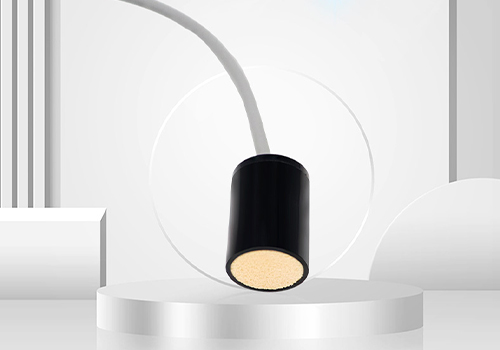
3. Navigation and Aviation
Safety Assurance: In the fields of navigation and aviation, accurate wind information is crucial for ensuring navigation safety. Anemometric transducers provide real-time wind speed and direction data, helping navigators formulate safer and more efficient navigation plans and reduce navigation risks.
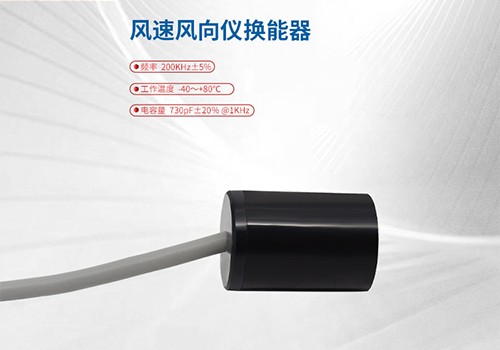
4. Other Fields
Wide Application: In addition to the above fields, anemometric transducers are also widely used in onshore and offshore wind farms, drilling platforms, automatic weather stations, airports, harbors, and urban environmental monitoring. Their high accuracy, broad adaptability, real-time capability, high reliability, and energy efficiency provide strong technical support for research and decision-making in related fields.
In summary, anemometric transducers, with their outstanding performance and wide range of applications, play a vital role in meteorology, environmental protection, navigation, and aviation, representing a significant achievement of modern technology in wind condition monitoring.