
Dayu Electronics: How to Choose the PTFE Probe Thread for Ultrasonic Level Meter Selection?
In numerous scenarios such as industrial production, water treatment, and chemical storage, precise level monitoring directly impacts production safety, process optimization, and cost control. Fuzhou Dayu Electronicshas deep expertise in sensing technology, and its ultrasonic level meters have become core equipment for level monitoring across various industries, leveraging advantages such as non-contact measurement, corrosion resistance, and easy installation. Among them, PTFE (polytetrafluoroethylene) probes, due to their excellent anti-corrosion properties, are widely used in monitoring scenarios involving acids, alkalis, and corrosive media. The 2.5-meter range specification is particularly suitable for measurement needs of most small and medium-sized storage tanks, reactors, and water pools.
Recently, many users encounter a common question during selection: when the measurement range is 2.5 meters and the probe material is PTFE, should they choose the M48 or G2 probe thread? Today, we will provide a detailed analysis of this selection question based on Dayu Electronics' product design logic and actual application scenarios, helping you quickly determine the most suitable solution.
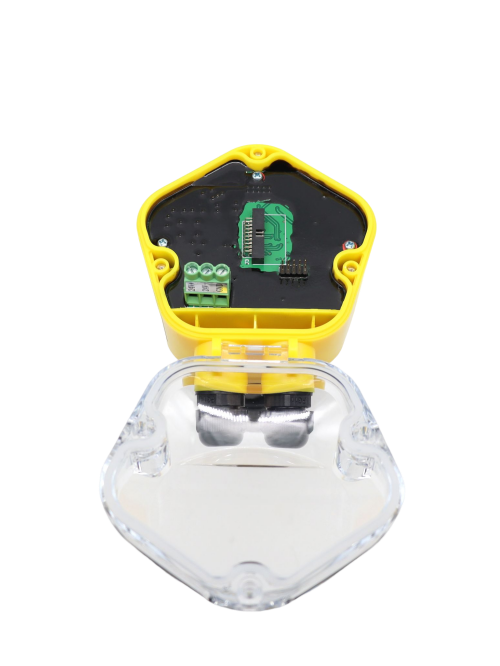
First, let us clarify two core prerequisites, which are also the basis for selection: First, the suitability of the 2.5-meter range. The 2.5-meter range model of Dayu Electronics' ultrasonic level meters features a small blind zone and high measurement accuracy, precisely covering level monitoring needs for small and medium-sized containers. Whether it is regular liquids such as clean water or wastewater, or corrosive media such as weak acids and alkalis, it can provide stable data output, meeting the actual needs of most industrial scenarios. Second, the core advantages of PTFE material. As the industry-recognized "king of anti-corrosion," PTFE material exhibits excellent chemical inertness, resisting erosion from most acid and alkali media. It also offers high temperature resistance and anti-aging properties. Combined with Dayu Electronics' optimized sealing technology, it effectively prevents corrosive liquids from penetrating into the probe interior, significantly extending equipment service life. This is also the core reason why many users in corrosive working conditions prioritize PTFE probes.
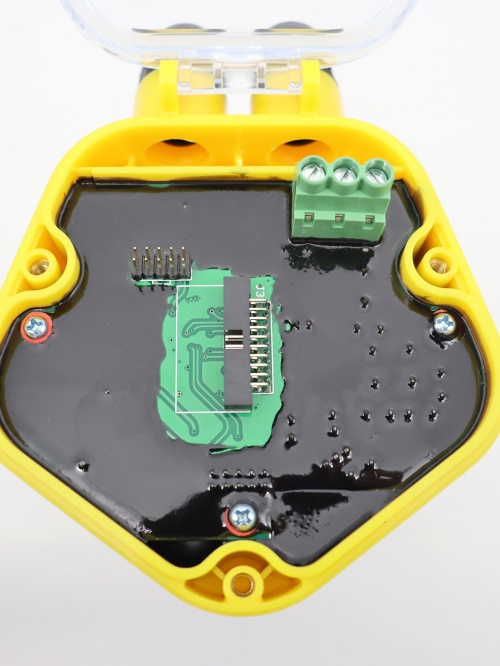
Returning to the core question: for a range of 2.5 meters and PTFE material, should you choose the M48 or G2 probe thread? The answer is actually clear—both thread specifications are compatible, but considering installation stability, broad application adaptability, and ease of subsequent maintenance, the G2 thread specification is more recommended.
Why are both specifications compatible? This is closely related to the product design logic of Dayu Electronics' ultrasonic level meters. Whether it is M48 or G2 thread, the core function is to achieve a firm connection between the probe and the mounting flange or bracket, ensuring the probe remains stable and secure during measurement. For a 2.5-meter range PTFE probe, the load-bearing capacity and sealing performance of both threads can meet the normal operating requirements of the equipment, and the measurement accuracy is not affected by the thread specification difference. Among them, M48 is a metric thread with a pitch of 5mm and a bottom hole diameter of 43mm, suitable for most installation scenarios using metric standards. G2 is an inch thread, compatible with inch mounting flanges, and is widely used in certain imported equipment and specific industrial scenarios.
The recommendation to prioritize G2 thread stems from three major practical application advantages, which are also optimization suggestions summarized by Dayu Electronics based on thousands of field application cases:
First, broader installation adaptability. As a common inch thread specification for ultrasonic level meters in the industry, the G2 thread is compatible with most universal mounting flanges and brackets. Whether it is for standardized installation in new projects or upgrades of existing equipment, it can quickly match existing installation interfaces without the need for additional custom adapters, significantly reducing installation costs and construction time. In contrast, although the M48 thread is a common metric specification, in scenarios that adopt inch standards, an additional adapter flange is required, increasing installation complexity and cost.
Second, superior sealing performance. PTFE probes are mostly used for monitoring corrosive media, and sealing performance directly determines the equipment's service life and operational stability. The thread profile design of G2 is better suited for sealing requirements. Combined with Dayu Electronics' dedicated sealing washers, it achieves a tighter seal, effectively preventing corrosive media and moisture from seeping through the thread gaps into the probe interior, thereby avoiding damage to internal electronic components. Additionally, the G2 thread offers stronger fastening, which effectively prevents probe loosening under conditions of prolonged vibration and medium fluctuation, ensuring stable measurement data.
Third, higher maintenance convenience. The design of Dayu Electronics' G2 thread PTFE probe fully considers on-site maintenance needs. The thread interface is smooth and easy to disassemble and assemble. Whether for routine cleaning, calibration, troubleshooting, or component replacement, operations can be performed quickly without requiring specialized tools, greatly reducing the workload of maintenance personnel. Furthermore, the G2 thread specification is more universal within the industry, facilitating easier procurement of spare parts when the probe needs replacement in the future, without worrying about specification compatibility issues.
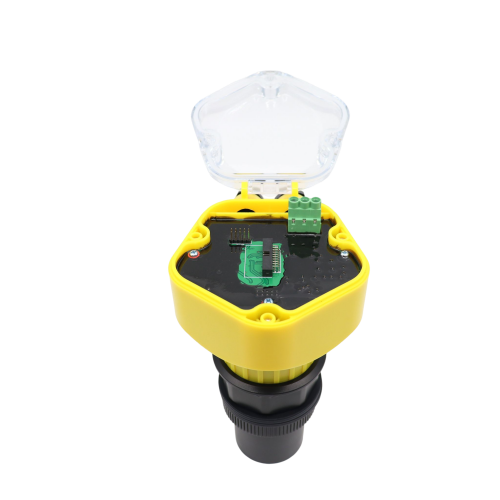
Of course, the M48 thread also has its applicable scenarios. If your on-site installation interface is already confirmed to be the M48 metric standard, and there is no need for future interface upgrades, choosing the M48 thread PTFE probe can also meet the measurement needs for a 2.5-meter range. Dayu Electronics' M48 thread probes also adopt high-quality thread machining processes, combined with the anti-corrosion advantages of PTFE material and the equipment's high-precision measurement algorithms, enabling stable and accurate level monitoring, suitable for metric installation scenarios in chemical, water treatment, and other fields.
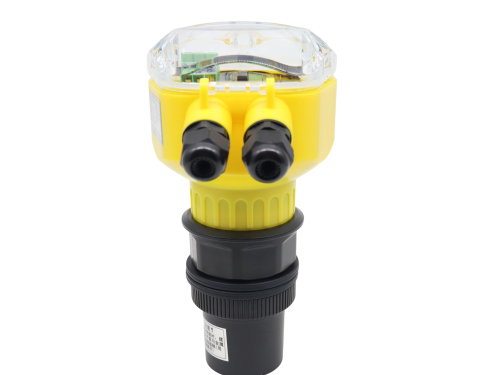
Here, we would like to remind all users that when selecting a model, in addition to focusing on the range, probe material, and thread specification, you should also consider the actual on-site working conditions comprehensively, such as the corrosiveness of the medium, the temperature and pressure of the installation environment, and the installation method of the container (flange mounting, bracket mounting). The PTFE probes of Dayu Electronics' ultrasonic level meters are all equipped with IP68 high protection rating, capable of adapting to harsh working conditions with high temperature, high humidity, and strong corrosion. They also incorporate a built-in temperature compensation module that automatically corrects the impact of temperature variations on measurement accuracy, ensuring that the measurement accuracy remains within ±0.25% in environments ranging from -40°C to 70°C, meeting industrial-grade monitoring requirements.
As a professional enterprise deeply engaged in the sensing field, Dayu Electronics always prioritizes user needs, providing not only high-quality ultrasonic level meter products but also full-process selection guidance and technical support. Whether it is the choice of range and material, or the adaptation of thread specifications, we can provide the most practical selection solutions based on your on-site conditions, ensuring that every device performs at its best.
From material selection to thread adaptation, from product design to field application, Dayu Electronics consistently adheres to technological innovation, integrating anti-corrosion performance, measurement accuracy, and installation convenience into every detail of the product. In the future, we will continue to deepen our focus on the level monitoring field, optimize product performance, improve the selection system, and provide more accurate, reliable, and convenient level monitoring solutions for various industries, empowering industry high-quality development with professional technology.