
Dayu Electronics: How to Choose Between Piezoelectric and MEMS Hydrophones? The Trade-Off Between Size and Sensitivity
In water supply pipeline leak detection, many customers face an inevitable choice when selecting a hydrophone: piezoelectric for high sensitivity, or MEMS for small size?
Each has its own strengths; the key depends on your pipeline space and detection range requirements. The core trade-off is simple — choose MEMS if you need small size, choose piezoelectric if you need high sensitivity. Assuming both options are of comparable quality, the decision criteria are just that straightforward.
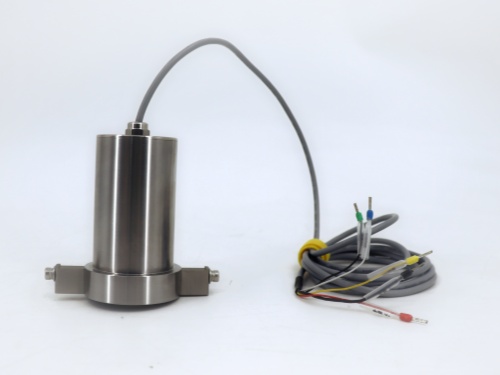
1. Piezoelectric Hydrophones: High Sensitivity, Larger Size
Piezoelectric hydrophones are a mature solution. Their core advantage is high sensitivity, converting weak leak acoustic signals into sufficiently strong electrical signals that downstream circuitry can process with ease. For applications like water supply pipeline leak detection that require capturing distant or weak acoustic sources, sensitivity is often the key metric determining whether you can "hear" the leak. The drawback is their relatively larger size — if installation space is constrained, a piezoelectric hydrophone may not fit.
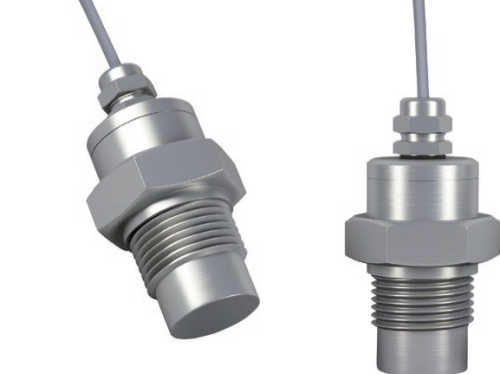
2. MEMS Hydrophones: Small Size, Slightly Lower Sensitivity
The core advantage of MEMS hydrophones is their small size. In scenarios involving tight pipeline spaces, dense deployment, or integration into compact devices, the size advantage of MEMS is irreplaceable. The trade-off is that sensitivity is somewhat lower than piezoelectric types — for the same leak signal, the MEMS output amplitude will be smaller, placing higher demands on the signal-to-noise ratio of the downstream amplification circuitry.
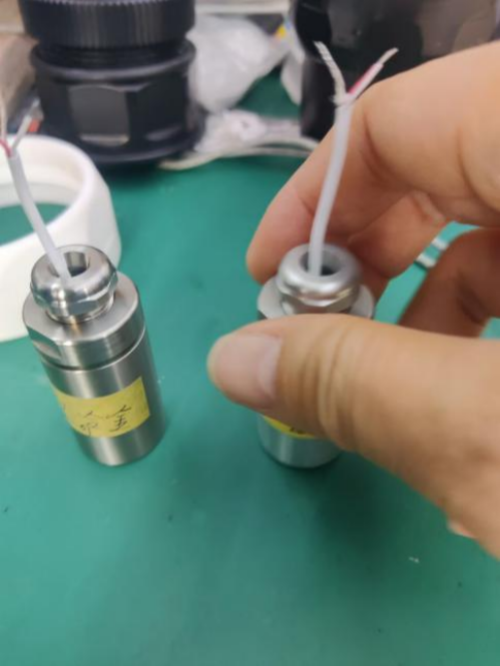
3. How to Choose? It Depends on the Application
If the pipeline diameter is relatively large and installation space is ample, prioritize piezoelectric — high sensitivity means longer detection range and lower false alarm rates, making on-site installation and circuit debugging more convenient. If the pipeline is narrow, installation space is tight, or you need to fit the hydrophone into a compact probe, MEMS is the only choice — accept the slightly lower sensitivity and compensate with sufficient gain in the downstream circuitry.
Dayu Electronics reminds you: assuming equal quality, in actual selection, product quality varies between manufacturers. Factors such as piezoelectric ceramic consistency, MEMS packaging processes, and waterproof sealing design can all affect real-world performance. We recommend requesting samples and conducting field testing during the selection process.