
Yangtze River Dock Mud Level Monitoring: M80 Sensor Adaptation Challenges and Solutions [Dayu Electronics]
I. Project Background
Mr. Wang from a Shanghai-based automation control company is currently managing a project that requires products to be installed at the forefront of the Yangtze River dock to measure underwater mud level positions. Mr. Wang inquired whether it is possible to modify the communication protocol in our M80 to use their own protocol.
II. Challenges and Pain Points
Scenario Adaptability Challenges
Complex Underwater Environmental Interference: The Yangtze River has fast water flow, high sediment concentration, and a large amount of suspended debris (such as aquatic plants and floating garbage). As an ultrasonic device, the M80 sensor's ultrasonic signals are prone to scattering and attenuation in sediment-laden water, which may reduce measurement accuracy. Meanwhile, water flow impact or debris collision may affect the stability of sensor installation, further interfering with data collection.
Dock Operational Environmental Constraints: The dock front area is densely equipped with facilities (e.g., cranes, bollards), and there are dynamic operational scenarios such as vessel traffic and cargo handling. Sensor installation location selection is limited (needs to avoid operational interference and ensure measurement line-of-sight), and installation construction must be coordinated with dock operations to avoid disrupting normal activities, increasing deployment difficulty.
Communication Protocol Customization Pain Points
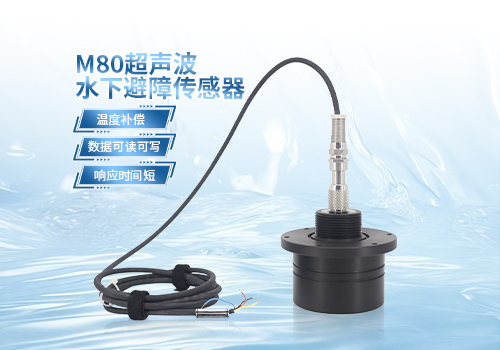
Protocol Compatibility and Stability Risks: The M80 Ultrasonic Underwater Obstacle Avoidance Sensor original protocol has been validated over a long period, with high compatibility with the hardware and stable data transmission. Replacing it with the customer's proprietary protocol requires addressing the compatibility between the new protocol and the sensor's hardware modules (such as the signal processing unit and data output interface). If the protocol logic mismatches the hardware drivers, data packet loss, transmission delays, or even failure of the sensor to start properly may occur.
Maintenance and Upgrade Challenges: If the customer later updates their proprietary protocol, the M80 sensor must undergo firmware upgrades simultaneously, otherwise protocol version incompatibility may arise. Customized protocol maintenance depends on the protocol documentation provided by the customer; if the documentation is incomplete or the customer's technical support is not timely, maintenance response efficiency may decrease, affecting long-term sensor use.
III. Solutions
Sensor Hardware Protection Upgrade:
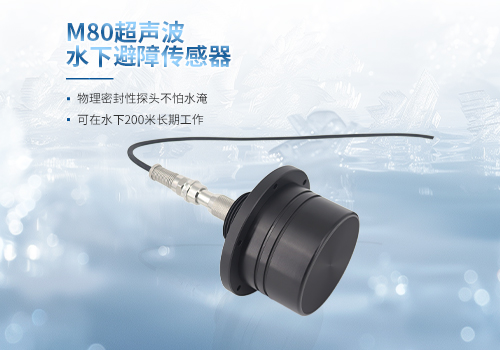
Add a highly wear-resistant and corrosion-resistant protective housing (such as 316L stainless steel) to the M80 sensor to withstand the scouring and corrosion of the sediment-laden Yangtze water, extending its service life.
Flexible Installation and Commissioning:
Provide a "modular mounting bracket" that supports various installation methods such as wall-mounted, suspended, and underwater fixed installation, allowing flexible selection of installation position based on dock front equipment layout and measurement requirements, avoiding operational interference areas.
Cost Considerations:
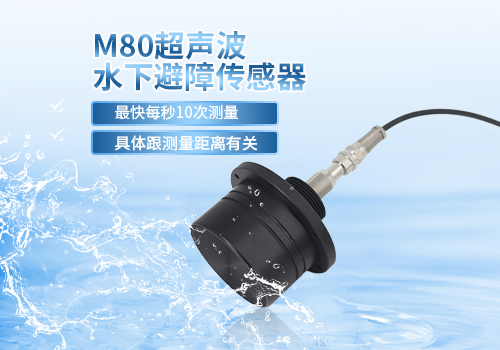
Since the customer's request to modify the protocol essentially means redesigning the entire product, the cost is very high and the production cycle is long. On one hand, the customer may not accept the price; on the other hand, the production cycle is too long. Therefore, we recommend that the customer use our product directly as is. Modifying the internal program of the product would be costly, and we advise against it.