
Dayu Electronics: Technical Challenges of the M36 Underwater Ranging Sensor in a 35MPa Environment
In extreme industrial scenarios such as deep-sea exploration and oil drilling, equipment often faces high-pressure challenges that are hard to imagine. Pressure is a "hard threshold" that sensors must overcome. Many users have asked whether our M36 underwater ranging sensor can achieve a pressure rating of 35MPa (equivalent to 350 atmospheres).
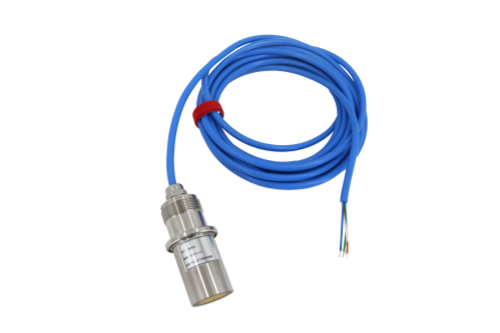
In response to this highly challenging technical specification, our answer is: it is entirely achievable, provided there are no volume constraints.
However, from laboratory parameters to engineering implementation, we still need to conduct an in-depth technical consultation with the customer. Because "35MPa" is only a pressure value, the actual working environment is far more complex. We usually confirm two core questions with the customer:
First, what is the working medium? Is the sensor operating in deep-sea seawater or in downhole mud during oil well drilling? The acoustic impedance of different media varies significantly, directly affecting the matching layer design of the transducer and signal excitation efficiency.
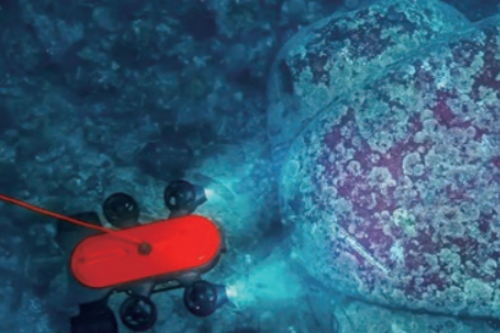
Second, what is the extreme temperature? This is the watershed for high-pressure design. If the working environment temperature remains in the normal range, sealing and structural component handling at 35MPa are relatively mature. However, if the customer requires maintaining 35MPa sealing simultaneously at high temperatures above 100°C, this poses extreme challenges to the material's thermal expansion coefficient, O-ring selection, and the temperature resistance of electronic components, and the implementation difficulty will increase exponentially.
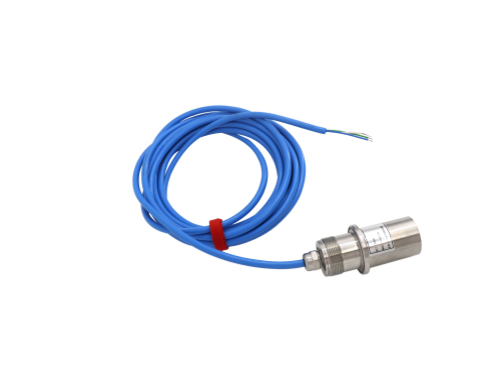
Why do we need more information?
The pressure-resistant design of ultrasonic sensors involves multiple aspects, including the housing structure, acoustic window material, and internal potting process. 35MPa is equivalent to the pressure of approximately 3,500 meters of water column, which places high demands on sealing and material strength. These factors directly affect the feasibility of the solution.
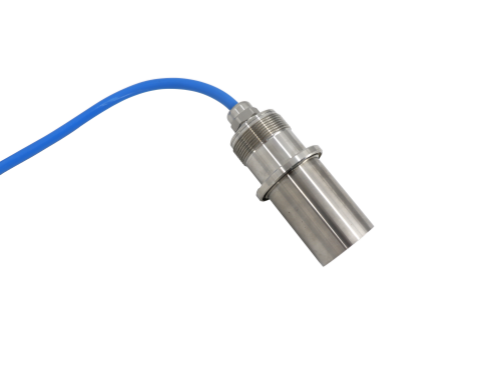
We recommend that users provide as detailed operating condition parameters as possible (such as temperature range and medium composition) when selecting a sensor. Only by knowing ourselves and the enemy can we tailor a sensor that reliably "sounds off" in the deep blue or beneath the earth's surface. If you have such needs, feel free to communicate with us at any time!