
Dayu Electronics: Feasibility of M36 Sensor in 200°C High-Temperature, High-Pressure Hydrogen Environment
Recently, we received a highly challenging distance measurement requirement for a deep fluid environment: finding a reliable ranging sensor for a downhole robot with a diameter of only 5-7 inches under extreme conditions of approximately 200°C high temperature, 800 meters of water depth (approximately 18MPa high pressure), accompanied by hydrogen gas and water seepage.
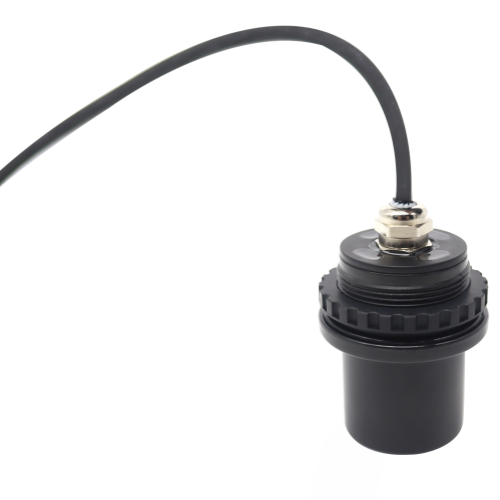
Faced with such a demanding combined "deep-sea + geothermal + chemical" requirement, the Dayu Electronics technical team conducted a dedicated review, and here is the suitability assessment of the M36 underwater obstacle avoidance sensor:
1. Technical specifications that can be met
Pressure resistance: The M36 series underwater ranging sensors feature pressure ratings from 20MPa to 60MPa (utilizing titanium alloy housings and fully hermetic welding processes). The 18MPa requirement falls well within the established coverage range, ensuring long-term stability.
Sealing protection: Designed for water-rich seepage environments, the sensor employs a triple redundant sealing structure (O-ring + laser welding + ceramic insulated packaging), achieving an IP68 protection rating (suitable for continuous submersion at 100m depth), fully meeting waterproofing requirements.
Explosion-proof design: Supports flameproof (Ex d) certification to address explosion-proof requirements in hydrogen environments, ensuring the equipment will not ignite surrounding flammable gases during operation.
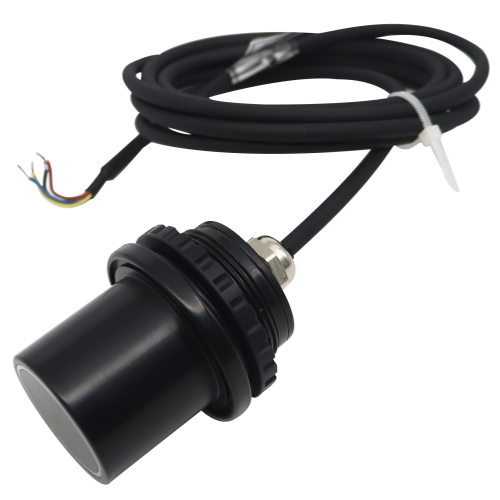
2. Current limitations that cannot be overcome
1. Temperature limitation: The current maximum operating temperature for the M36 sensor is +80°C (limited by the Curie point of the piezoelectric ceramic material). At 200°C, this far exceeds the existing technological threshold, requiring the development of high-temperature transducers and heat dissipation structures, which is not currently supported.
2. Hydrogen embrittlement risk: In hydrogen environments, the hydrogen embrittlement effect on metallic materials could lead to structural failure. We have not yet conducted relevant experimental verification and cannot guarantee reliability. It is recommended to conduct dedicated testing in collaboration with a materials laboratory.
3. Power supply and signal: You have not specified the supply voltage and output signal type (e.g., 4-20mA, RS485, etc.), which must be clarified for proper matching.
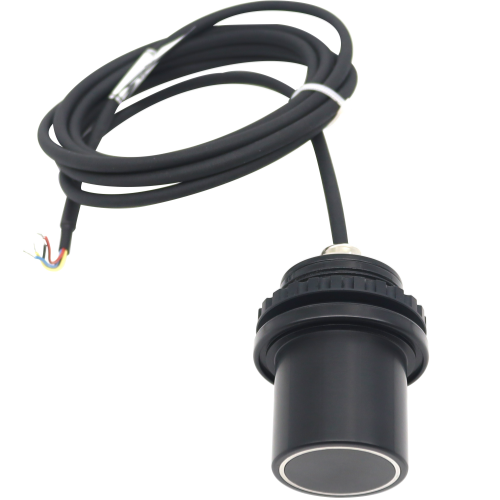
Dayu Electronics maintains a respectful approach to technology. We excel at finding solutions under extreme conditions, but we also adhere to being pragmatic and transparent about our capability boundaries. If you are open to a collaborative technical development effort regarding temperature resistance and hydrogen embrittlement resistance, please feel free to contact us. Let's explore the possibilities of deep-sea sensing together!