
Dayu Electronics M36 Underwater Obstacle Avoidance Sensor: A Reliable Choice for USV Ranging in Seawater Environments
In the ranging and obstacle avoidance applications of underwater unmanned surface vehicles (USVs), the seawater environment imposes stringent requirements on the corrosion resistance and measurement stability of sensors. To address the customer's need for single-beam underwater ranging, Dayu Electronics recommends the M36 underwater obstacle avoidance sensor, whose core parameters and material selection are precisely matched to seawater operating conditions.
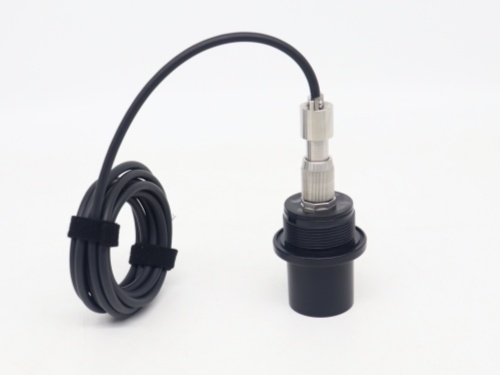
The M36 sensor operates at a frequency of 1 MHz, with an effective measurement range of up to 8 meters in clean water, a blind zone of only 0.05 meters, a beam angle of 4.6°±0.5°, an active data upload interval of 115 ms per reading, an RS485 output interface (Modbus-RTU protocol), and a repeatability accuracy of ±0.25%. This combination of parameters ensures precise response for short-range obstacle avoidance while maintaining stable mid-range measurement performance, fully meeting the obstacle avoidance and positioning requirements of USVs in pool environments.
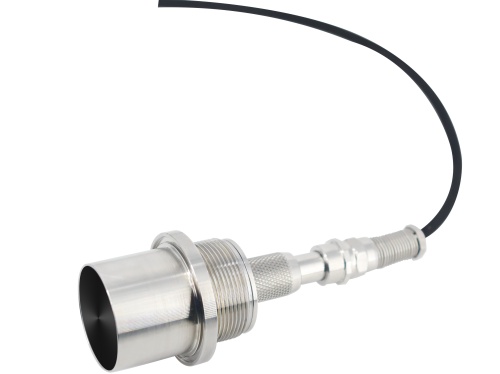
It is important to emphasize that for seawater environments, the M36 sensor must be selected with stainless steel material or customized 316L stainless steel. Ordinary materials are highly susceptible to corrosion from salt spray and electrolytes in seawater, leading to seal failure, performance degradation, or even damage. 316L stainless steel, due to its molybdenum content, forms a dense passive film in chloride environments, offering exceptional corrosion resistance and enabling long-term stable operation in seawater media, fundamentally preventing measurement failures and equipment loss caused by corrosion.
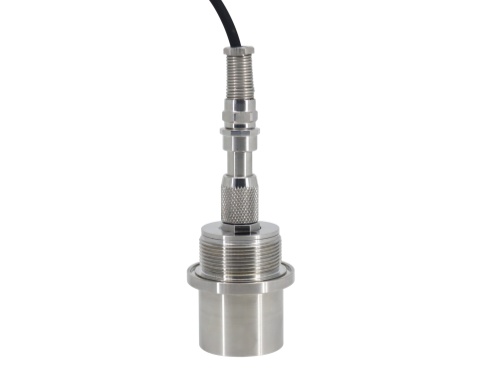
Additionally, if the actual test water contains turbidity or suspended solids, acoustic energy will attenuate more rapidly, shortening the effective measurement range. In such cases, it is recommended to choose an M36 model with a larger range to reserve sufficient measurement margin, ensuring stable and accurate data output even in complex water conditions. During installation, ensure the sensor's transmitting surface is vertically aligned with the target to be measured, avoid obstruction by the vessel structure, and keep it away from strong noise sources such as propellers to minimize acoustic interference.
Dayu Electronics understands the extreme demands for equipment reliability in underwater operating environments. The M36 sensor, from material selection to parameter design, has been specifically optimized for seawater conditions and USV obstacle avoidance requirements.
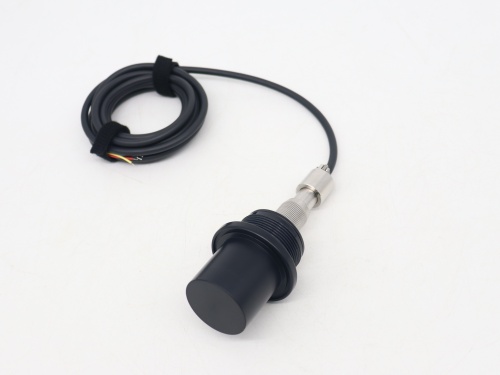
If you have further questions regarding sensor material, range selection, or installation methods, please feel free to contact the Dayu Electronics technical support team. We will provide one-on-one selection guidance and solution validation based on your actual test environment, ensuring long-term stable operation of the sensor in seawater conditions and safeguarding the safe operation of your USVs.