
Dayu Electronics M36 Underwater Ranging Sensor: How Much Water Pressure Can the Plastic Housing Withstand?
In ocean observation and underwater equipment monitoring, selecting the right sensor is crucial. Today, we will discuss the Dayu Electronics M36 underwater ranging sensor, particularly the maximum pressure rating of its plastic housing.
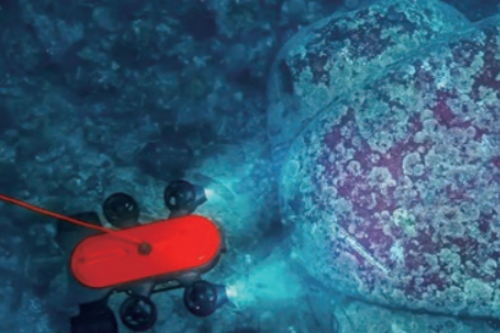
In underwater operations, the pressure resistance of a sensor is one of the key factors determining its reliability. What is the maximum pressure rating of the plastic housing for the Dayu Electronics M36 underwater ranging sensor? According to official data, the maximum pressure rating of the M36 sensor's plastic housing is 1.5 MPa. This value means it can operate stably at depths of up to approximately 150 meters underwater, meeting the needs of most shallow-water applications.
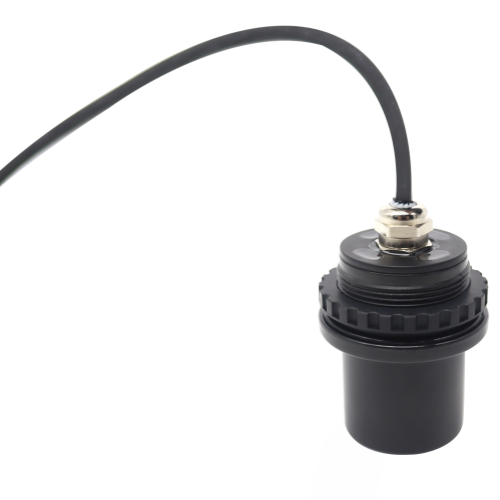
1.5 MPa Application Scenarios
The 1.5 MPa pressure rating is suitable for a variety of underwater environments, such as shallow seas, lakes, and reservoirs. In these environments, the sensor can provide stable distance measurement data, ensuring the normal operation of equipment. However, for deep-sea operations, especially at depths exceeding 150 meters, it is recommended to choose materials with higher pressure resistance, such as 316 stainless steel, to ensure long-term reliable operation.
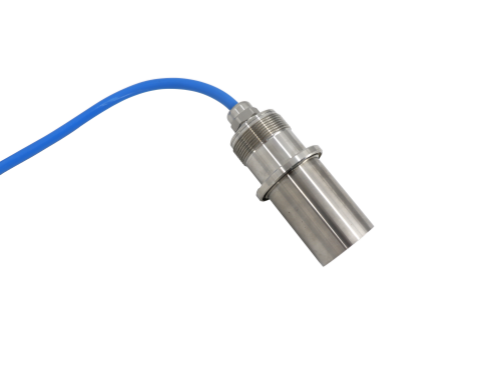
Comparison of Sensor Housing Materials
When selecting a sensor, the choice of housing material is critical. While plastic housings are lower in cost, they are not as pressure-resistant as 316 stainless steel. 316 stainless steel not only offers a higher pressure rating but also resists corrosion from seawater, making it suitable for harsher environments. Therefore, for deep-sea operations, the M36 sensor with a 316 stainless steel housing is the preferred choice.
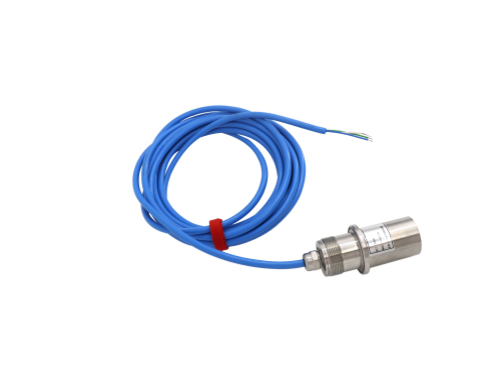
Deep-Water Sealing Technology
For deep-water applications, the sealing technology is key to ensuring long-term stable operation of the sensor. Dayu Electronics has employed a multi-layer sealing structure in the design of the M36 sensor, ensuring no water ingress at the rated depth. For the cable exit method, it is recommended to use a direct cable exit with a custom-length armored cable, avoiding underwater connectors, as connectors are more prone to seal failure in deep water. The connection point between the cable and the sensor housing undergoes rigorous pressure testing to ensure it remains watertight at the rated depth.
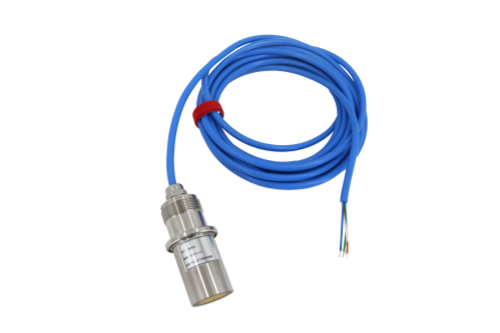
For actual installation, here are a few suggestions for your reference:
The sensor's emission surface should face the target to be measured, avoiding obstruction by platform structural components.
Keep it as far away as possible from strong noise sources such as propellers and water pumps to reduce acoustic interference.
If the sensor is permanently immersed in seawater, it is recommended to periodically check the transducer surface for marine biofouling (e.g., barnacles, oysters). A gentle cleaning will restore optimal performance.
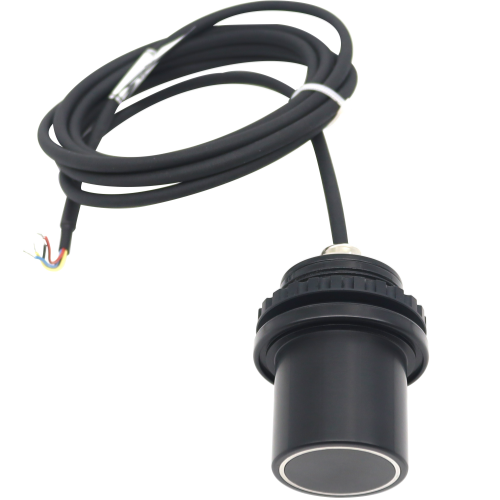
The Dayu Electronics M36 underwater ranging sensor, with its high cost-performance ratio and reliable performance, is an ideal choice for many underwater applications. For the M36 sensor with a plastic housing, the maximum pressure rating is 1.5 MPa, making it suitable for shallow-water areas. For deep-sea operations, it is recommended to choose the sensor with a 316 stainless steel housing to ensure long-term stable operation. With proper installation and maintenance, the M36 sensor can provide accurate and reliable distance measurement data in various underwater environments.