
Struggling with Salt Level Measurement? Dayu Electronics M36 Underwater Ranging Sensor Makes It Easy
In industrial production, real-time monitoring of material height in tanks is a common yet challenging task. Recently, we received an inquiry from a customer: his tank contains half water and half salt. As the salt gradually dissolves, he needs to accurately measure the remaining salt height—at most around 1.5 meters. In this special environment of "salt underwater with a gradual salt layer," ordinary level meters or point level indicators often fall short.
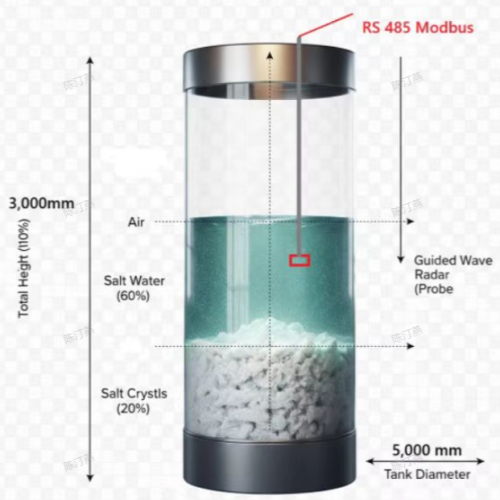
So, is there a sensor that can penetrate the water layer while reliably identifying the salt layer surface? We recommended the Dayu Electronics 1M frequency M36 underwater ranging sensor to the customer.
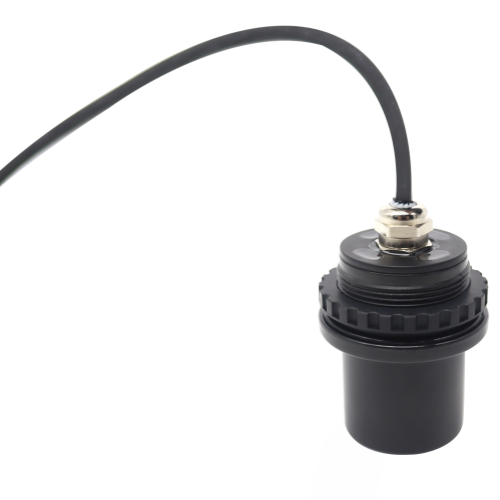
This sensor is specifically designed for underwater ranging, and its 1MHz operating frequency enables it to effectively penetrate the clear water layer and accurately capture the echo from the salt-water interface. Even if the salt layer surface becomes uneven due to melting, the sensor can still output distance data stably, allowing you to monitor salt level changes in real time.
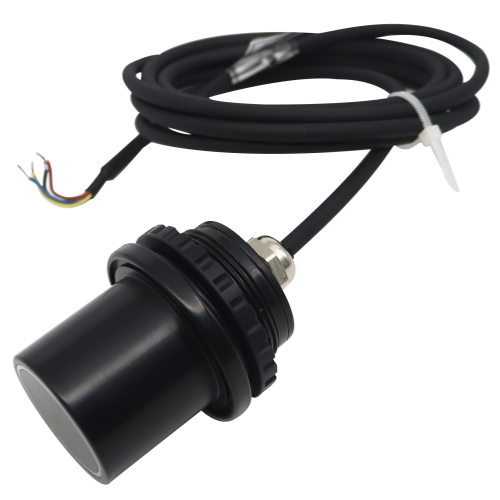
Why is it particularly suitable for this scenario?
1. Strong anti-interference capability: The low-frequency acoustic wave is less affected by turbid water or dissolved substances, ensuring stable and reliable measurement.
2. Small blind zone and suitable range: For salt levels within 1.5 meters, the sensor's accuracy and response speed are fully matched.
3. Easy installation: It can be directly submerged in water or installed downward from the tank top, requiring no complicated commissioning.
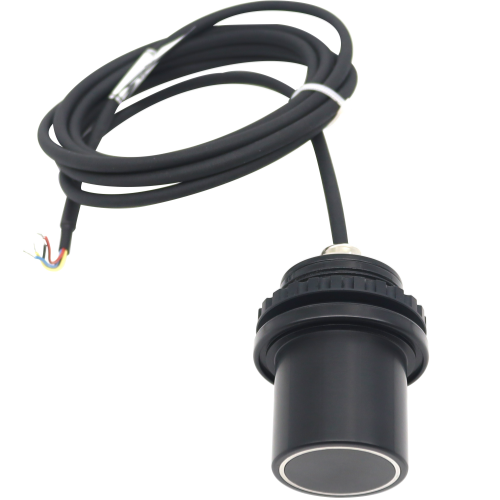
Currently, this solution has helped the customer achieve continuous salt level monitoring, effectively avoiding the lag and errors of manual inspection. If you also face a similar challenge of "mixed water-salt layer height measurement," why not try the M36 series—it might be the "underwater smart eye" you need.
Tip: In actual use, it is recommended to fix the sensor directly above the salt layer and keep the emitting surface clean to achieve the best measurement results.