
Dayu Electronics M36 Underwater Ranging Sensor Reduces Costs for River Buoy Monitoring
Buoy depth sounding is not just about data—it's about saving those "invisible" costs.
At natural river monitoring sites, the most expensive part is often not the equipment itself, but labor, time, and the repeated manual work.
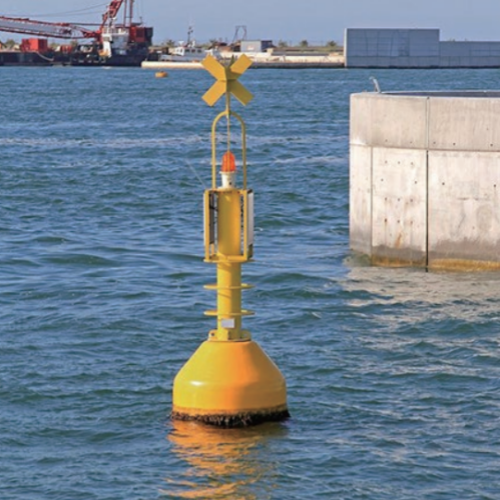
Picture this: a winding river, with a buoy carrying various sensors drifting downstream. It needs to collect water quality data in real time while simultaneously recording the depth of each water section—this is no longer just an idea, but an efficient scenario being achieved through an integrated buoy depth-sounding solution. Behind this, the Dayu Electronics M36 Underwater Ranging Sensor plays a role far beyond a mere "measuring tool"; it is an "automation assistant" that truly brings efficiency to the next level.
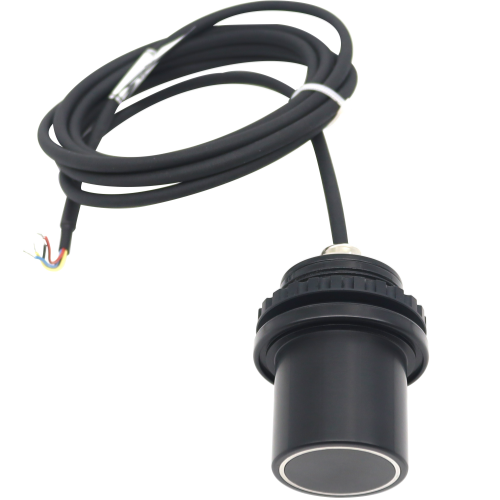
In the past, obtaining river depth data relied on sparse fixed sounding piles, or on manual measurements taken by boat or wading—time-consuming, labor-intensive, and with limited coverage. Now, by integrating the Dayu Electronics M36 sensor onto a buoy, a single deployment can automatically capture depth data along the entire buoy's route—a direct and significant improvement.
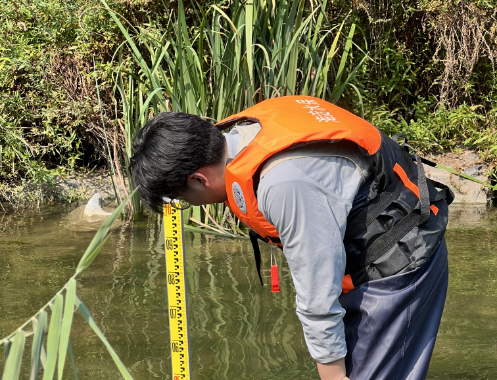
Saving labor and boosting efficiency: traditional manual depth sounding requires over 50% less manpower, freeing engineers from repetitive physical work so they can focus on data analysis. Meanwhile, the M36 sensor works in tandem with water quality sensors such as pH and dissolved oxygen, recording depth and water quality simultaneously at the same time and location, eliminating the need for tedious data alignment later and improving processing efficiency by about 30%.
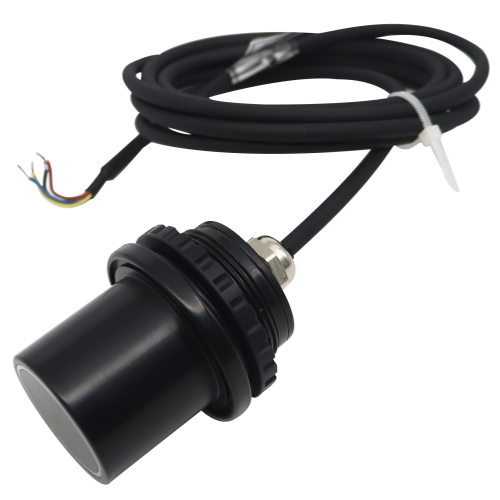
Stable and worry-free: non-contact ultrasonic measurement means no friction with the riverbed, and it remains durable even when submerged for long periods. With fewer equipment failures and lower maintenance frequency, project operations shift from "firefighting" to "cruising."
Lightweight and quick to deploy: the compact M36 underwater sensor does not disturb buoy balance and requires no complex modifications, significantly shortening the overall system integration and deployment cycle.
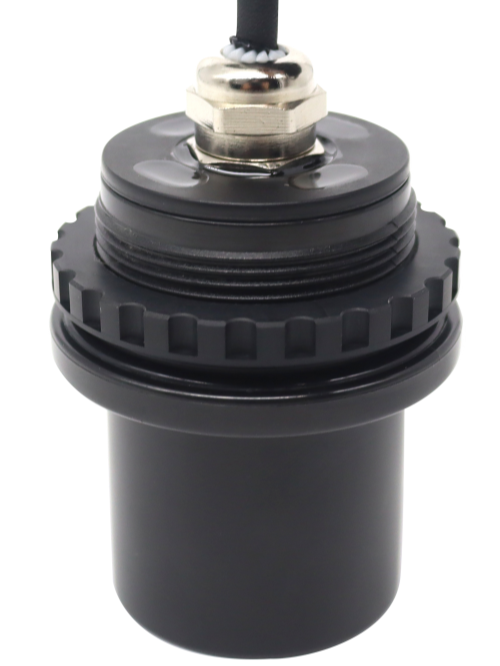
Ultimately, the most important thing about a sensor is not a pile of specifications, but real-world efficiency—reducing reliance on manual labor, accelerating data fusion, ensuring long-term stability, and simplifying system integration. It turns mobile precision depth sounding from a concept into a reliable, standard module. Real progress often begins with freeing people from repetitive tasks. For your next project, think about how you can achieve more with less effort and higher efficiency.