
Anti-Interference Guide for the M36 Sensor on Unmanned Surface Vehicles: No More Electromagnetic Interference Worries![Dayu Electronics]
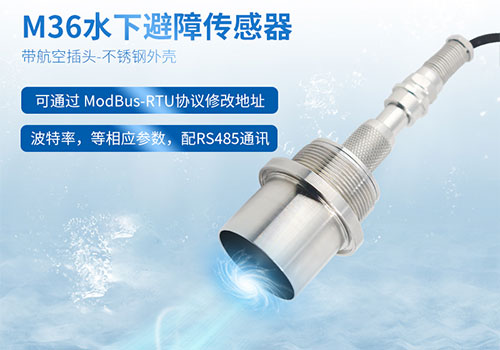
To address the issue where the M36 underwater ranging sensor aboard an unmanned surface vehicle (USV) reads zero distance due to electromagnetic interference (EMI) during high-speed operation, the following measures can be taken:
1. Isolated Power Module
1. Cause:
? When the USV motor runs at high speed, the generated EMI may travel through the power cable to the underwater ranging sensor, affecting its normal operation.
2. Solution:
? Install a DC-to-DC isolated power module between the USV's power supply and the sensor's power input. This module effectively blocks EMI propagation through the power cable, ensuring a clean and stable power supply to the sensor.
? When selecting an isolated power module, ensure it has isolation functionality, which is key to achieving the desired effect.
2. 485 Communication Isolation Module
1. Cause:
? In addition to the power cable, EMI may also travel through the 485 communication line to the underwater ranging sensor.
2. Solution:
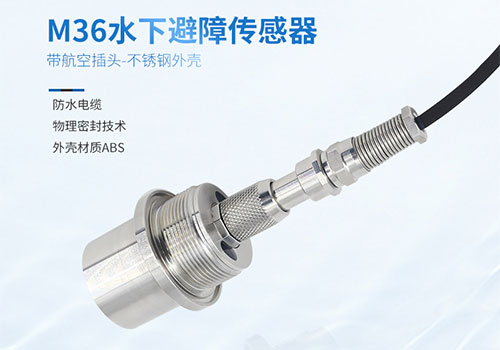
? When connecting the sensor's 485 line to the on-site 485 line, install a 485-to-485 optocoupler isolation module. The optocoupler isolation module uses optical signals for electrical isolation, effectively blocking EMI propagation through the communication line.
3. Transducer Housing Material Selection
1. Cause:
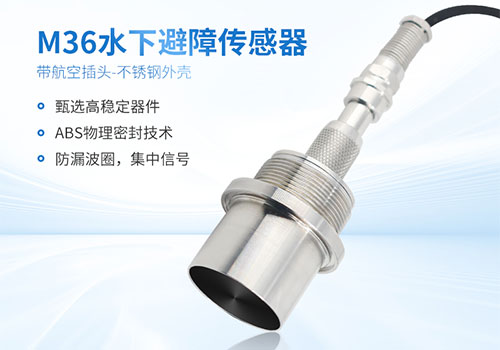
? The housing material of the transducer can also affect its immunity to interference. For example, transducers with ABS housings may be more susceptible to EMI propagating through the air.
2. Solution:
? Choose transducers with stainless steel housings. Stainless steel offers excellent shielding performance, effectively resisting EMI propagating through the air.
? Ensure the transducer housing is properly connected to the ground wire to further enhance its immunity to interference.
4. Additional Recommendations
1. Cable Routing Optimization:
? Ensure all cables (including power and communication cables) are kept away from strong interference sources (such as motors, variable frequency drives, etc.).
? Use shielded cables and ensure the shield is properly grounded to reduce the impact of EMI.
2. Equipment Grounding:
? Ensure the USV and all electronic equipment are properly grounded to establish a good grounding system, which helps reduce the impact of EMI.
3. Regular Maintenance:
? Periodically maintain and inspect the underwater ranging sensor and other electronic equipment on the USV to ensure they are in good working condition.
By implementing the above measures, the issue of EMI affecting the M36 underwater ranging sensor during high-speed operation on USVs can be effectively resolved, ensuring measurement accuracy and stability of the sensor.