
Dayu's New M33 Single-Beam Underwater Ranging Sensor: Here's How Its Signal Attenuation Performs
The M33 single-beam underwater ranging sensor is indeed a powerful device, capable of accurate measurements in both clear water conditions and turbid water with mixed chemicals. This is primarily attributed to its advanced ultrasonic technology, which can penetrate different water quality environments to achieve precise ranging.
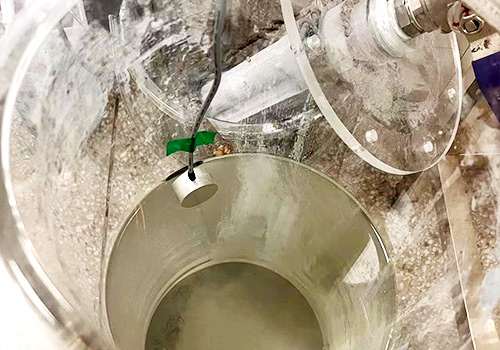
When used with a handheld depth sounder main unit, users can observe waveforms in real time and compare and analyze the measured signals. This feature is significant for understanding underwater environments, monitoring water quality changes, and conducting secondary development.
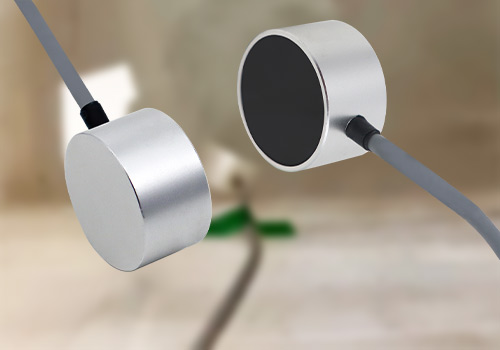
Signal attenuation is one of the key indicators for evaluating the performance of a ranging sensor. By comparing signal attenuation under different operating conditions, users can more accurately understand the sensor's performance characteristics, thereby enabling targeted optimization and adjustment.
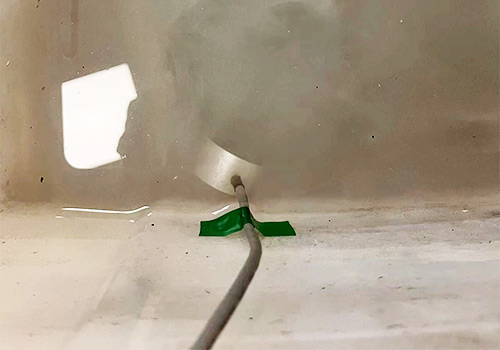
Furthermore, the M33 single-beam underwater ranging sensor also offers a variety of emission angles and measurement ranges to choose from, meeting diverse engineering requirements. Its fast response and multiple selectable frequencies also give it broad application prospects in fields such as underwater robot obstacle avoidance, gate open/close status monitoring, and water level monitoring.
In summary, the M33 single-beam underwater ranging sensor is a powerful and stable device capable of meeting ranging needs in various complex environments. By pairing it with a handheld depth sounder main unit, users can more conveniently perform real-time monitoring and data analysis, providing strong support for research and applications in related fields.