Dayu Electronics M33 Externally Mounted Sensor: Steel Plate Penetration Capability and Level Monitoring Analysis
In industrial storage tank and vessel level monitoring, externally mounted sensors are favored for their no-penetration, non-contact design. Regarding the key question, "M33 externally mounted distance sensor—how thick a steel plate can it penetrate?", Dayu Electronics provides definitive field test data: under laboratory conditions, the M33 sensor successfully penetrates an 8mm thick steel plate to accurately measure the height of the internal liquid medium.
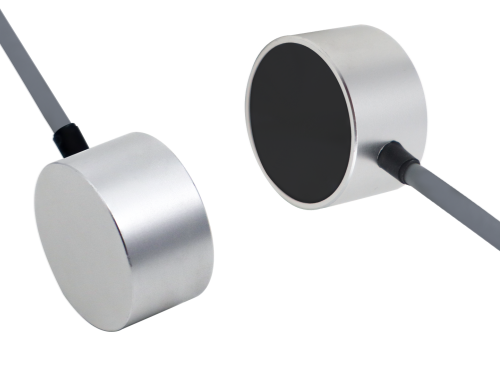
Let's start with the principle without getting sidetracked. The M33 is externally mounted: the transducer is attached to the outer tank wall, and the acoustic wave emitted from the transducer first travels through the steel plate, then enters the liquid, reflects off the liquid surface, and returns. The thicker the steel plate, the more the acoustic wave is reflected back and forth within the metal, losing energy, so the less energy is left when it enters the liquid. A thin plate (e.g., the common 4mm on forklift fuel tanks) is easy to penetrate, but when the plate becomes thick enough, the wave emitted by the transducer is largely attenuated within the steel, and the liquid side cannot receive a valid echo, so measurement naturally fails.
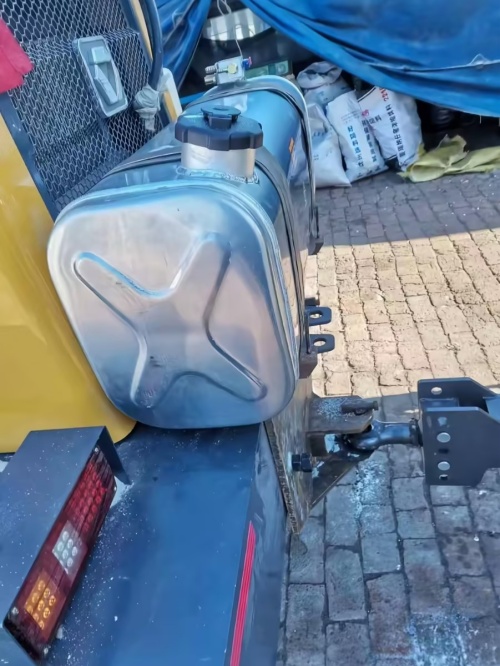
8mm is the boundary value we have currently verified in field tests. If the plate is thicker than that, the signal margin becomes insufficient, and in practice you may see unstable readings or no response at all.
However, a word of caution: laboratory conditions are ideal—the steel plate is flat, the coupling agent is applied evenly, and the internal medium is clean water-like. In real-world conditions, performance will be reduced:
If the steel plate is rusty, coated, or has an uneven surface, acoustic wave loss will increase;
If the internal medium is oil, slurry, or liquid with bubbles, the reflection characteristics differ from water, and penetration performance will also change;
If the coupling agent is not applied firmly or the transducer has slight gaps, the signal will be directly degraded.
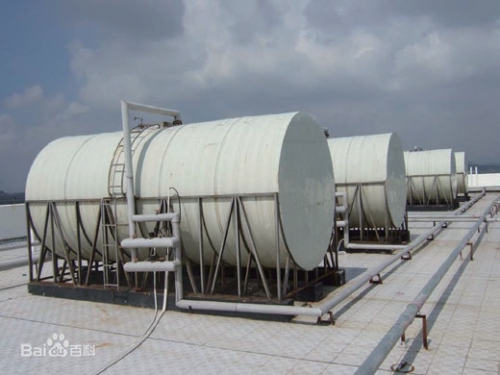
Therefore, 8mm is a "laboratory baseline," and not every site can fully utilize this value. If your steel tank is within the 6-8mm range, don't make a decision on your own—take a few photos of the tank wall material, internal medium, and installation location and send them to us, or cut a corner piece of the steel plate and ship it to us. We will test it with the same M33 model.
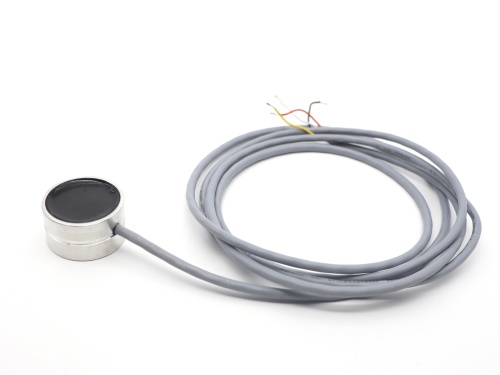
The core value of the externally mounted type is no hot work, no penetration, and no production shutdown, but the prerequisite is that the acoustic wave can truly pass through. If you are unsure about the wall thickness, ask us first—it's much easier than installing and then finding out it can't measure, which would require disassembly. Dayu Electronics technical support is always available.