
Dayu Electronics M26 Hydrophone Output Signal: Voltage or Current?
In recent customer inquiries, we noticed that some users have questions about the output signal type of the M26 hydrophone, specifically whether the output is voltage or current, and whether a 4-20mA current signal corresponds to a 0-3.3V voltage signal. In response to this issue, Dayu Electronics provides a clear explanation here.
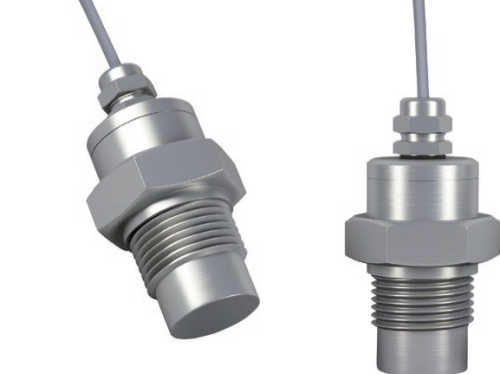
First, it should be clarified that we currently do not offer an M26 hydrophone sample with 4-20mA current output. Therefore, the question regarding '4-20mA corresponding to 0-3.3V' is actually based on a misunderstanding of the device model.
Our current mainstream M26 hydrophone has a standard output signal of 0-3.3V voltage. This design fully considers the compatibility and convenience of modern data acquisition systems. The 0-3.3V voltage output can be directly connected to the ADC pins of most microcontrollers (such as STM32, Arduino, etc.) without the need for additional current-to-voltage conversion circuits, greatly simplifying system integration and debugging.
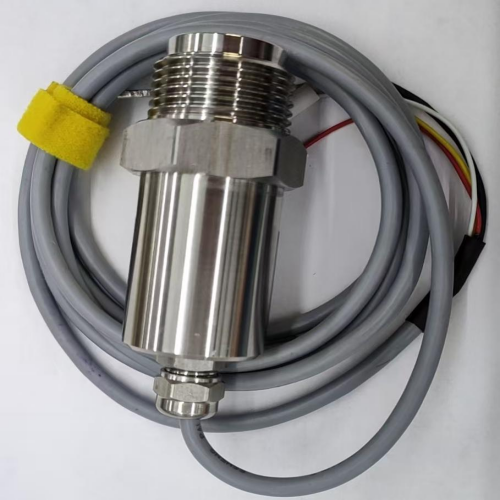
This voltage output method not only ensures signal stability but also reduces signal attenuation issues that may arise from long-distance transmission, making it particularly suitable for short-range, high-precision acoustic monitoring scenarios. For customers who require long-distance transmission or integration into traditional industrial control systems, we recommend using an external signal conversion module to achieve compatibility, ensuring the flexibility and reliability of the entire monitoring system.
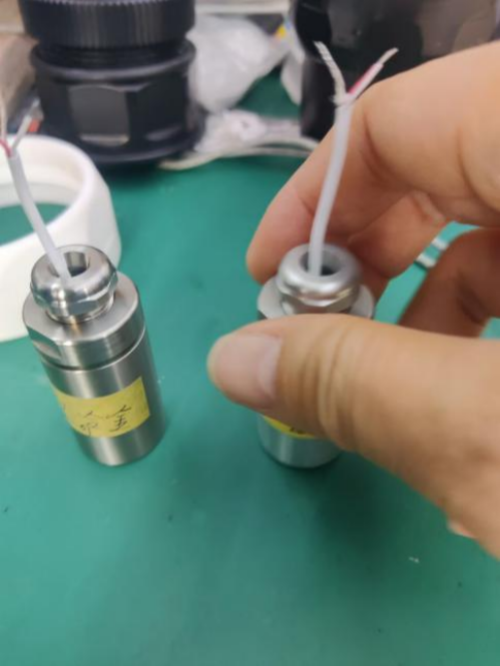
Dayu Electronics is always committed to providing customers with clear and accurate product information and technical support. If you have any questions about the signal output or system integration of the M26 hydrophone, please feel free to contact our technical team, and we will be delighted to provide you with professional solutions.