
Dayu Electronics: M26 Hydrophone Common Application Questions, All Explained at Once
In professional applications such as underwater acoustic monitoring, pipeline leak detection, or hydrodynamic noise measurement, selecting the appropriate sensor is the first step to ensuring system reliability and data accuracy. For the highly regarded Dayu Electronics M26 hydrophone, users often focus on several core practical questions during integration and deployment: Can its size fit into more compact spaces? Can it operate fully submerged in fluid? What is its pressure-withstanding capability? In response to these frequently asked questions, Dayu Electronics hereby provides clear technical answers and selection guidance.
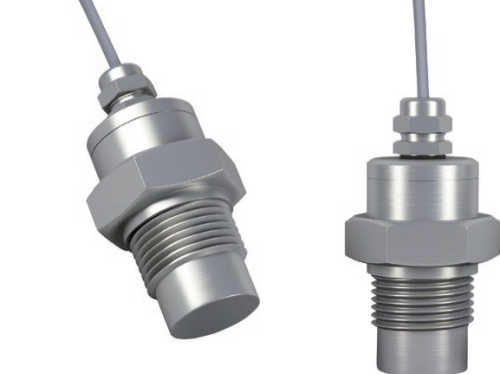
The standard M26 hydrophone achieves an optimized balance between sensitivity and frequency response characteristics with its specific structural length. If your installation space is limited and you have a genuine need for a "shortened length" customization, this is technically fully feasible. It should be noted that such design modifications involve readjustments to the acoustic structure, internal component layout, and packaging processes, placing them in the realm of deep customization. To control unit cost, ensure product consistency, and guarantee reliability, we typically recommend proceeding after a definite batch quantity (e.g., on the order of one hundred units) is established. For extremely small quantities of custom units, the unit price will be significantly higher than the standard model due to the amortization of R&D and production line adjustment costs. We always maintain an open attitude to explore optimal customization solutions with customers who have batch requirements.
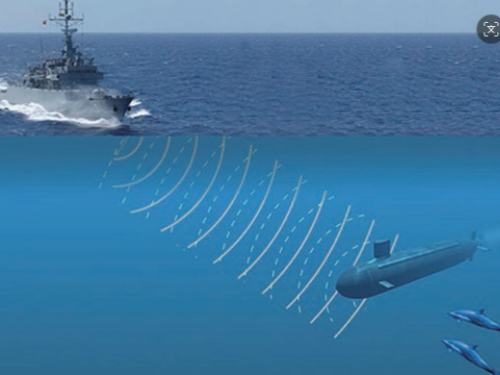
Regarding Installation Method: Can Be Fully Submerged for Operation
The M26 hydrophone was designed from the outset with full underwater submersion application scenarios in mind. Its housing employs professional sealing processes, and the core sensing elements and internal circuits are rigorously protected. Therefore, the answer is clear: the M26 hydrophone can operate stably when fully and continuously submerged in water (including inside pipelines). This installation method allows its sensing surface to achieve optimal coupling with the fluid acoustic field, avoiding signal attenuation caused by mounting fixtures or air layers. It is the preferred method for obtaining pristine, high-quality acoustic signals.
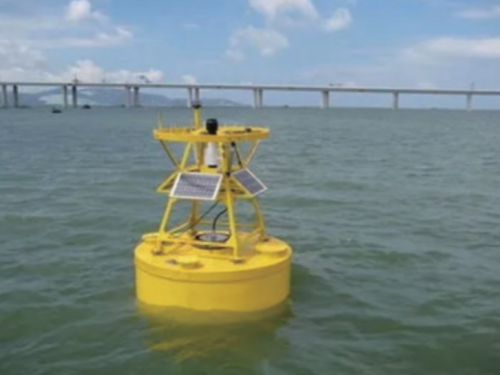
Regarding Pressure Rating: Clear Pressure Withstand Specifications
For underwater and in-pipe applications, pressure resistance directly impacts the sensor's service life and safety. The standard M26 hydrophone, with its precision-engineered and rigorously tested housing, can withstand a maximum static water pressure of up to 2.5 MPa on a long-term basis. This pressure rating (equivalent to a water column depth of approximately 250 meters) covers the vast majority of industrial pipeline pressure scenarios and deeper underwater monitoring requirements. When selecting, please ensure that the maximum working pressure in your application environment (including peak pressure fluctuations) remains below this value, and reserve a certain safety margin for your system.
Dayu Electronics is committed to providing customers with acoustic products that not only deliver excellent performance but also offer clear application suitability. We look forward to leveraging our professional technical solutions to ensure that every underwater "listen" is clear and reliable.