
Dayu Electronics Ultrasonic Level Gauge: IP68 Protection Ensures Stable Operation, Low Power Consumption Adapts to Various Scenarios
On a damp morning after rain, moisture lingers above the water tank. Beneath the cover, the water level rises quietly, and the instrument may be submerged at any moment. The difficulty in many projects begins right here—humid environments, enclosed spaces, and even brief submersion. Traditional equipment often fails to last long, leading to faults, repairs, and downtime.
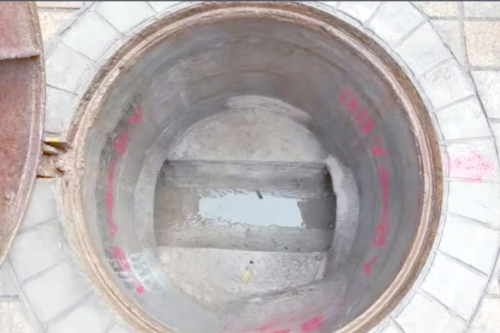
Previously, we encountered such a scenario: in a covered, enclosed water tank, once the water level rose, the monitoring equipment could be completely submerged. Whether the project could run stably depended on whether the equipment could truly withstand water.
The solution ultimately adopted was the Dayu Electronics IP68 ultrasonic level gauge. IP68 protection means that even when briefly submerged, the internal circuits remain sealed and dry, preventing damage caused by moisture, condensation, or water ingress. For environments such as fly ash silos, underground sump pits, and enclosed water tanks, this level of protection is not just a parameter advantage—it is the foundation for stable operation.
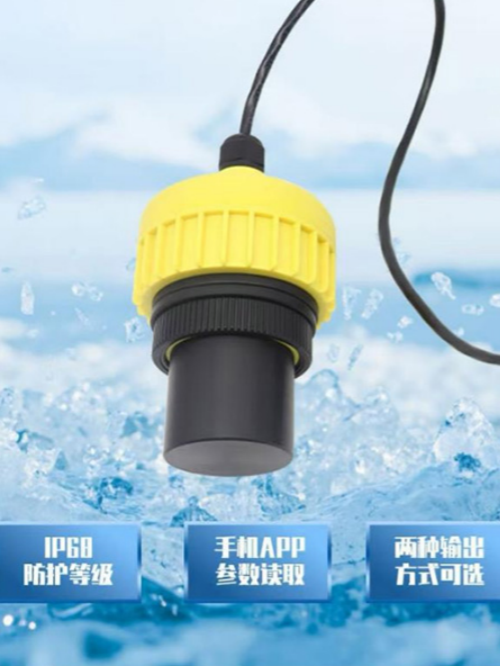
But waterproofing alone is not enough. In enclosed spaces, commissioning is inconvenient, and frequent lid opening is both troublesome and risky. To address this, the device is equipped with a built-in Bluetooth module. Engineers do not need to approach the water surface or open the cover; they can complete parameter settings and data viewing via a mobile phone. Commissioning has shifted from “bending down to remove the cover” to “raising a hand to operate,” improving efficiency and safety. This wireless approach adds a layer of intelligent expression to traditional monitoring.
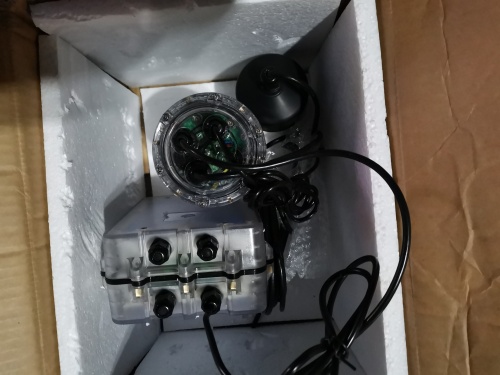
In outdoor or remote scenarios, power supply often presents another challenge. The device operates with a total power consumption of no more than 1W at 12V, with a continuous working current of approximately 60mA. It also supports an intermittent power supply mode: power on, acquire data, power off. The host system powers the device for about 15 seconds to complete initialization and read data, then cuts off the power, significantly reducing system energy consumption and extending the battery life or solar system runtime. For long-term unmanned monitoring points, this energy-saving strategy is particularly critical.
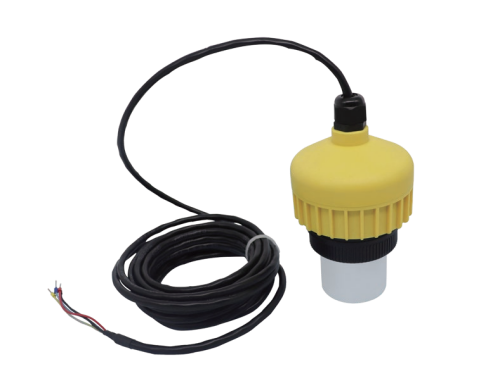
For communication, the device uses an RS485 interface and Modbus protocol, facilitating stable integration with various host systems. From reservoirs and rivers to well level monitoring, from plant management to underground water tanks, it maintains the same stable performance across different scenarios.
Truly reliable equipment not only measures accurately but also operates quietly in complex environments. When protection, commissioning, and power consumption are all carefully considered, every change in water level can be clearly recorded. Stability itself is a form of strength.