Xinjiang Turpan Oilfield: Application Case of Low-Power IP68 Ultrasonic Water Level Meter
Low-power IP68 Ultrasonic Water Level Meter features low power consumption
The application of the low-power ultrasonic water level meter at the Xinjiang Turpan oil well site is mainly reflected in its unique performance and adaptability. The ultrasonic water level meter produced by Dayu Electronics features low power consumption, requiring only 6V DC power supply, with an operating current not exceeding 20mA and an actual power consumption of only 0.12W. This low-power design makes it highly suitable for long-term operation in field environments or locations with inconvenient power supply. Its working principle is based on the propagation time of ultrasonic waves to calculate the distance from the sensor emitting surface to the water surface, by emitting ultrasonic pulses and measuring their round-trip time to determine the water level height.
In addition, this ultrasonic water level meter has an IP68 protection rating, allowing it to operate for extended periods at a depth of 1 meter underwater and resist dust ingress. It is suitable for water level monitoring in various water environments, including sewage, river water, and clean water. In terms of technical specifications, the water level meter offers multiple measurement range options, from 1 meter to 5 meters, and supports RS485 communication for address setting, adapting to different communication needs.
In the case in Urumqi, Xinjiang, the ultrasonic pipe network flow monitoring instrument adopted a low-power design and is equipped with a built-in, quickly replaceable, high-capacity, long-endurance lithium thionyl chloride battery pack for power supply. This design makes it suitable for scenarios such as urban drainage pipe network flow monitoring and canal flow monitoring. The ultrasonic flow meter is based on the Doppler effect principle and is suitable for flow measurement of two-phase media containing a certain amount of solid particles or bubbles that can reflect sound waves. Its advantages include suitability for large pipes, easy maintenance, wide adaptability, and long-term stability.
In summary, the application of the low-power ultrasonic water level meter at the Xinjiang Turpan oil well site not only demonstrates its low power consumption, high accuracy, and strong adaptability but also shows its stability and reliability in harsh environments during actual operation.
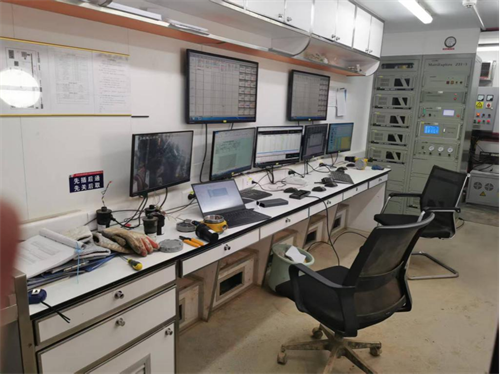
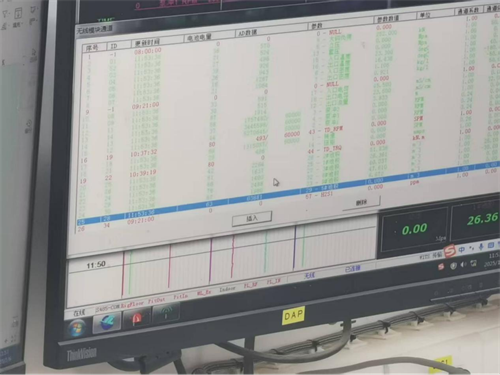
This on-site installed low-power level meter is used for oilfield water level monitoring. Through on-site commissioning, it has been safely and stably integrated into the site, contributing to oil well water level monitoring.
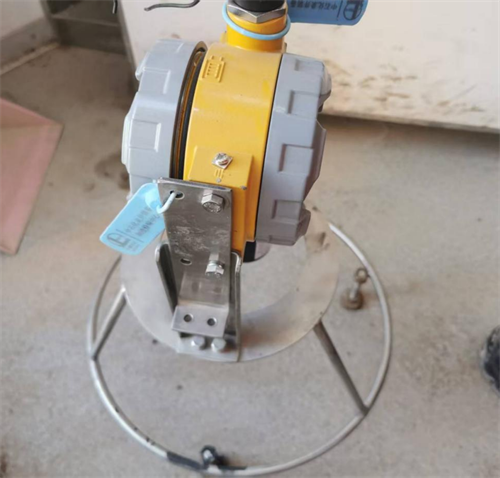
Environmental description: The current status of water level monitoring at the Xinjiang Turpan oilfield involves multiple aspects, including dynamic monitoring of groundwater resources, the construction of automatic water level monitoring facilities, and related hydrological monitoring work.
Groundwater dynamic monitoring: According to a five-year report, dynamic groundwater monitoring work has been carried out in Turpan City and its surrounding areas. This monitoring area has 27 groundwater dynamic monitoring points, including 2 national-level and 25 provincial-level monitoring points. Over the five years, a total of 3,313 point-times of groundwater level monitoring were completed, along with hydrochemical trace analysis and other tasks.
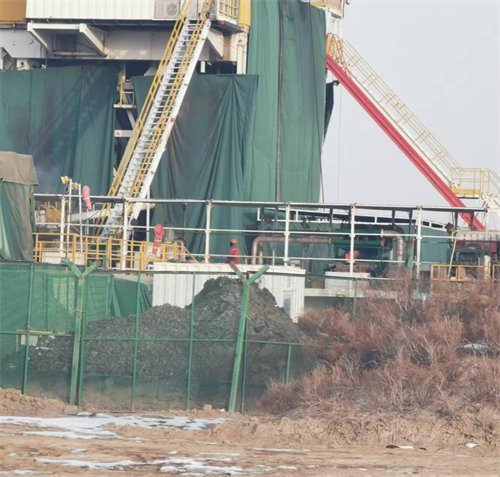
Automatic water level monitoring facilities: The Hydrological Bureau of the Xinjiang Uygur Autonomous Region plans to add 50 new automatic water level monitoring facilities in 2025 to build a modern hydrological monitoring system that matches the Xinjiang water network. This will help improve flood warning and water resource management capabilities, providing more accurate and comprehensive hydrological support.
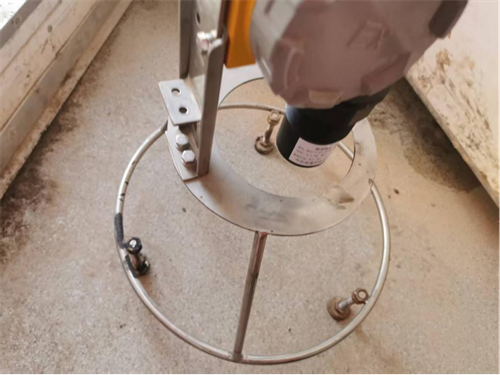
Hydrological monitoring work: Hydrological monitoring in the Turpan region is not limited to groundwater; it also includes surface water monitoring. For example, survey and measurement work has been completed on 434 important rivers and mountain-exit rivers, and 176 sets of automatic water level monitoring equipment have been installed.
These monitoring activities and facility constructions demonstrate the efforts in water level monitoring in the Turpan oilfield and its surrounding areas, aiming to better manage and protect water resources, and also provide technical support for flood warning and disaster prevention.