
HydTracker Ocean Surface Drifting Buoy – Precision Solution for Wanning Coastal Ocean Observation [Dayu Electronics]
HydTracker ocean surface drifting buoy is a high-performance intelligent observation device specifically designed for offshore scientific experiments. It features a lightweight composite material and fluid dynamics-based structural design, suitable for sea state 2 and water depths exceeding 100 meters. Drifting freely without anchor cables, it integrates high-precision sensors and BeiDou-3 communication systems to accurately measure sea surface current velocity, direction, wave height, and positioning. Current velocity and direction accuracy reaches 1–2 cm/s, wave height accuracy is approximately 2 cm, far exceeding the precision of fixed-position measurement, perfectly matching short-term ocean experiments within a 100–150 km range off the Wanning coast.
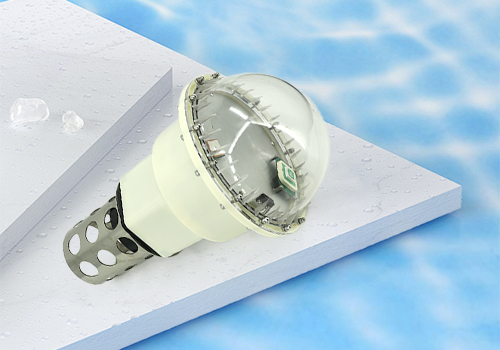
Key product features stand out: high integration combines multiple sensor types for synchronized, accurate multi-parameter acquisition, eliminating the drawbacks of fixed-point measurement; IP68 high protection rating suits the high-salinity, high-humidity marine environment, with excellent corrosion resistance and wave resilience; the low-power intelligent power management system meets nearly one month of short-term test endurance; plug-and-deploy functionality supports WiFi local debugging, and KML positioning format simplifies data visualization; the lightweight body balances free drifting with quick recovery, and accommodates boat-towed following test modes.
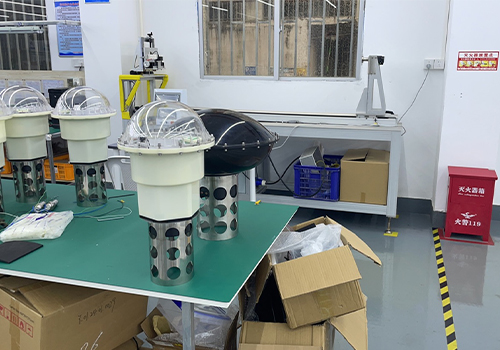
Compared with traditional observation equipment, the differentiated advantages are significant: non-fixed-point direct measurement provides current velocity, direction, and wave height accuracy far superior to derivation from positioning, making data more scientifically sound; anchor-free free-drifting design breaks regional monitoring limits, suitable for large-scale sea area experiments; BeiDou-3 satellite communication enables real-time data transmission, supplemented by manual telescope surveillance for dual assurance of data collection integrity; modular design supports short-duration, high-frequency data recording, perfectly fitting detailed 2–3 hour observation needs, and easy recovery does not compromise test efficiency.
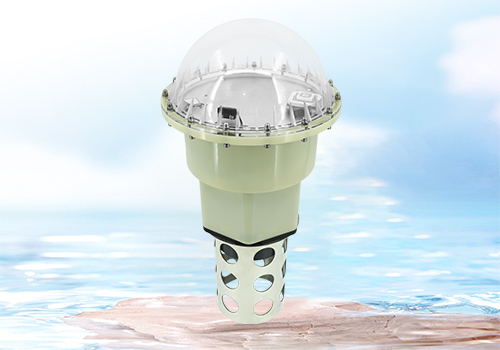
On the technical front, the buoy is equipped with dedicated current velocity/direction and wave height sensors, achieving industry-leading measurement accuracy at the hardware level, avoiding errors inherent in fixed-point derivation; meter-level GNSS positioning combined with BeiDou short-message communication enables synchronized transmission of position and environmental data, with a data loss rate below 10%; the fluid dynamics-based structural design ensures stable drifting with the current, introducing no additional flow disturbance for reliable, authentic measurements; the entire unit is constructed from marine-grade corrosion-resistant materials, operating reliably in the tropical marine environment off the Wanning coast, fully meeting the technical requirements of short-term scientific experiments.
This buoy is perfectly adapted to Wanning coastal ocean science experiment conditions: free drifting within a 100–150 km deployment range, boat-towed at over 100 meters for full-course monitoring, 2–3 hour detailed data recording, and nearly one month of endurance fully matching test cycles. Manual telescope surveillance combined with BeiDou data transmission supports both on-site observation and remote data archiving, with easy recovery and reusability. From precise measurement to flexible deployment, and from stable transmission to efficient recovery, it provides high-accuracy, high-reliability observation data support for offshore current and wave height scientific experiments, making it the preferred equipment for short-term ocean science trials.