
Dayu Electronics Technical Response on Underwater Obstacle Avoidance Sensor Rated for 6000 m Depth and 2 MHz Transducer
Recently, a customer asked whether we can supply an underwater obstacle avoidance sensor rated for a depth of 6000 meters with a transducer frequency of 2 MHz. Our clear answer is: technically it is fully feasible, but there is one key prerequisite—the size must not be tightly constrained.
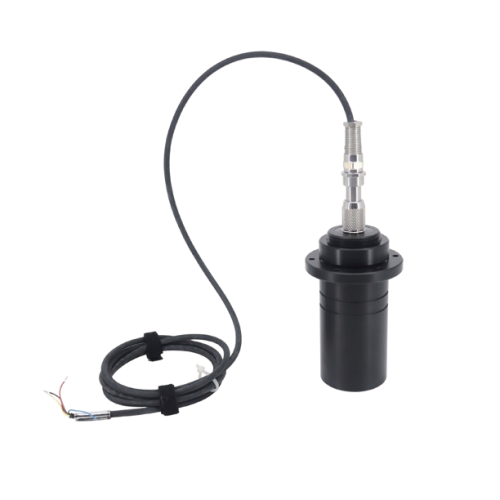
What does 6000 meters of water depth mean?
It corresponds to a hydrostatic pressure of about 60 MPa, which imposes extremely high demands on the sensor's structural sealing and material strength. A 2 MHz high-frequency transducer means a shorter detection wavelength and higher ranging resolution, making it suitable for close-range fine obstacle avoidance scenarios, such as autonomous navigation of underwater robots (ROV/AUV) in complex terrain.
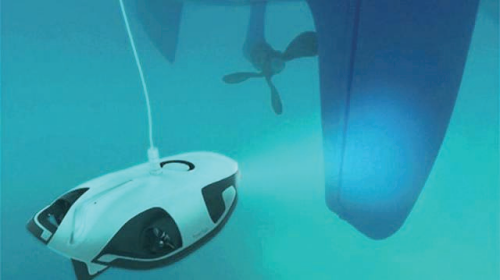
Why is size the prerequisite?
High-pressure sealing requires a sufficiently thick metal housing (typically titanium alloy or high-strength stainless steel), while the internal transducer, circuit board, and cable connectors all need special potting and pressure-resistant design. These measures inevitably occupy certain space. If the customer imposes strict limits on the sensor's outer diameter and length, it may not be possible to simultaneously meet the 6000-meter pressure rating and the 2 MHz frequency specification. If the size is flexible, we already have mature structural solutions and transducer matching processes that can ensure long-term stability and reliability in deep-water operation.
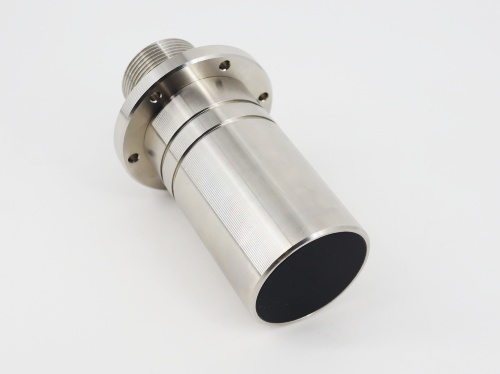
Our capabilities and commitment
Dayu Electronics has accumulated years of experience in the field of deep-water ultrasonic transducers, from piezoelectric ceramic selection to housing stress simulation, all with in-house design capabilities. We can customize 2 MHz transducers to suit your needs, and the high-pressure sealing structure can be optimized according to your mounting interface. As long as you provide the acceptable size range, we can provide the corresponding pressure-resistant solution and performance test data.
If you have specific underwater platform dimensions or installation constraints, please feel free to discuss further. We will evaluate the most reasonable sensor integration solution based on your actual operating conditions. We can achieve deep-water obstacle avoidance, but we also need your spatial cooperation—that is the most candid answer from an engineering perspective.