
How Does an Ultrasonic Anemometer Accurately Capture Wind Speeds of 60 m/s? [Dayu Electronics]
Measuring wind speeds of up to 60 m/s poses a challenge for ultrasonic anemometers, but it is by no means impossible.
First, increasing the transmitting voltage of the transducer can indeed significantly enhance the signal-to-noise ratio of the received signal, thereby improving measurement accuracy. However, it is important to note that high voltage may introduce certain safety hazards, so strict adherence to safety regulations during operation is essential to ensure the safety of both personnel and equipment.
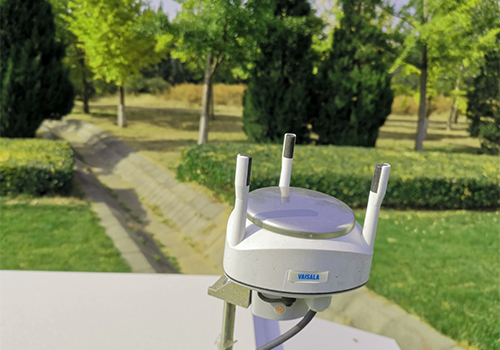
Second, using a transducer with a lower frequency is also a viable solution. Lower-frequency transducers offer stronger signals and larger emission angles, which is particularly important in high-wind-speed environments. This is because when wind blows across the transducer, the ultrasonic waves may be deflected, and a larger emission angle helps increase the likelihood that the receiving end captures the signal.
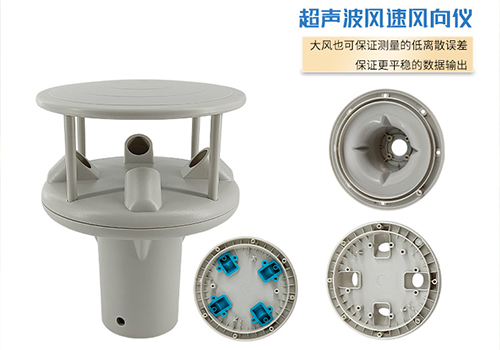
In addition to these two approaches, several other factors also affect the measurement accuracy of ultrasonic anemometers. For example, environmental factors such as temperature, humidity, and pressure can all influence the propagation speed and direction of ultrasonic waves. Therefore, in practical applications, these factors must be comprehensively considered and calibrated.
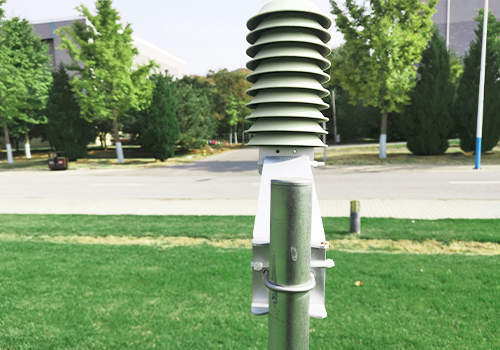
Finally, I would like to emphasize that although many manufacturers claim their products can measure wind speeds of up to 60 m/s, the actual measurement performance may be affected by a variety of factors. Therefore, when selecting an ultrasonic anemometer, in addition to focusing on its technical specifications, consideration should also be given to its real-world performance and user feedback.