
Inaccurate Measurements in Thick Foam Applications? 3 Engineer Tips to Zero Out Errors [Dayu Electronics]
When using an ultrasonic level meter to measure data in thick foam conditions, the following measures can be taken to improve measurement accuracy:
1. Adjust the probe position: Ensure the probe maintains an appropriate distance from the foam, typically recommended at around 5mm to 10mm, to avoid excessive absorption of ultrasonic signals by the foam. Meanwhile, the probe and foam should be positioned on the same plane to ensure measurement stability.
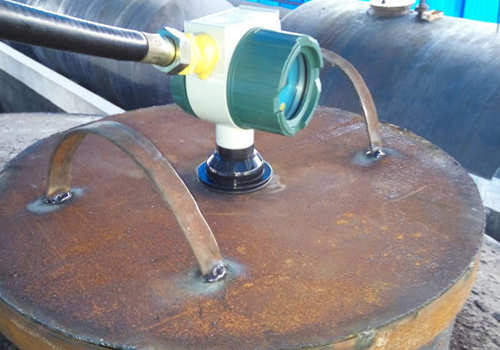
2. Select a level meter with a large measuring range: Choose an ultrasonic level meter with a range 3 times larger than the actual range to ensure accurate measurement signals can still be obtained even when covered by foam. This is because thick foam may absorb part of the ultrasonic signal, causing measurement errors. By increasing the range, the impact of such errors can be reduced.
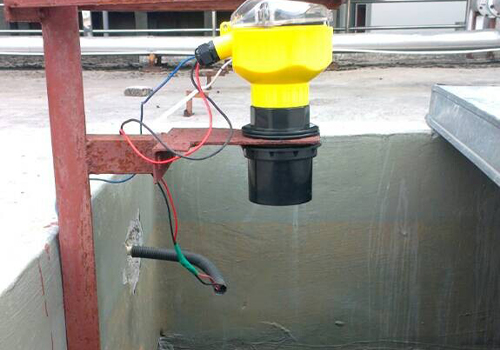
3. Add a measuring tube: Install a DN150 plastic pipe or similar measuring tube at the measurement site, and place the probe inside the pipe for measurement. This method can effectively prevent foam from interfering with the ultrasonic signal and improve measurement accuracy. However, note that the plastic pipe must have a smooth inner wall, and the top of the plastic pipe should be 30 cm higher than the "maximum water level + blind zone". That said, measuring inside a plastic pipe may result in a slight decrease in measurement accuracy.
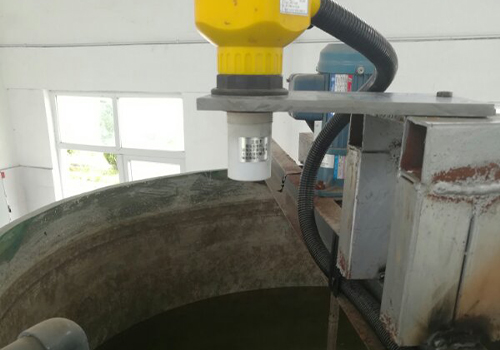
4. Consider alternative technologies: If the ultrasonic level meter does not perform well in thick foam conditions, consider using other technologies, such as guided wave radar level meters. Guided wave radar level meters operate based on microwave pulses and electromagnetic wave reflection principles, and are relatively less affected by foam interference, so they may deliver better measurement performance in thick foam conditions.
In summary, by adjusting the probe position, selecting a level meter with a large measuring range, adding a measuring tube, and considering alternative technologies, the measurement accuracy of ultrasonic level meters in thick foam conditions can be improved.