
This Ultrasonic Flow Meter Saves You 200 Hours a Year [Dayu Electronics]
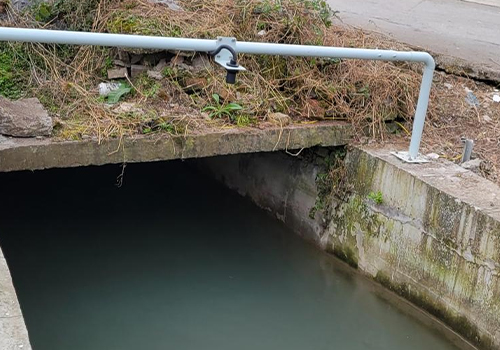
Ultrasonic open channel flow meter is a device that uses ultrasonic technology to measure flow, primarily for flow monitoring in open channels. Here is some detailed information about the ultrasonic open channel flow meter:
How It Works
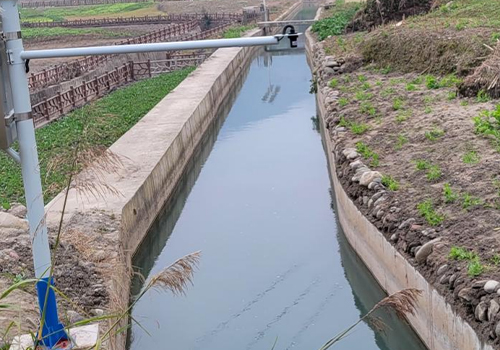
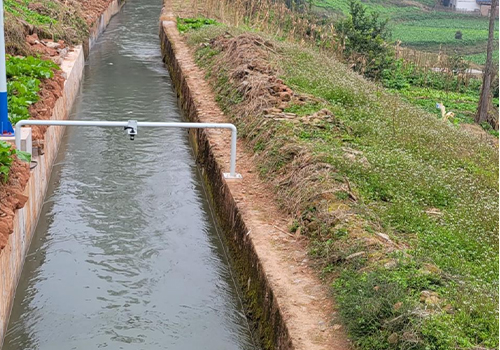
· The ultrasonic open channel flow meter uses an ultrasonic probe to non-contact measure the water level in the channel, then calculates the flow using the water level-flow conversion method.
· It can be used in conjunction with different types of weirs and flumes (such as Parshall flumes, rectangular weirs, triangular weirs, etc.), or used independently for measurement.
Application Range
· This type of flow meter is widely used in urban water supply intake channels, cooling water intake channels for thermal power plants, wastewater treatment inflow and discharge channels, industrial and mining enterprise wastewater discharge channels, water conservancy projects, and agricultural irrigation channels, among others.
Product Features
· Non-contact measurement, suitable for harsh environments.
· IP68-rated probe, adaptable to various environmental conditions.
· Wide measurement range, unaffected by floating debris, sediment, bubbles, and large water level fluctuations.
Technical Parameters
· Measurement range: 0.1L/s to 10m³/s
· Cumulative flow: up to 99,999,999m³
· Level range: 0 to 3m
· Measurement accuracy: 0.25% to 0.5%
· Flow accuracy: 1% to 5%
· Protection class: IP65
· Power supply: DC24V/AC220V, built-in lightning protection
Installation Notes
· When installing, ensure proper matching with the channel, making sure the centerline of the weir/flume aligns with the centerline of the channel to avoid flow bias.
· Select the appropriate weir/flume type based on the specific field environment.
When installing an ultrasonic open channel flow meter, the following important safety considerations should be taken into account:
Power Safety:
Ensure that the flow meter's power supply meets the specified voltage and frequency requirements.
Before connecting the power, make sure to turn off the power switch to prevent electric shock.
Use appropriate power protection devices, such as circuit breakers and overload protection.
Personal Safety:
Wear appropriate personal protective equipment during installation, such as hard hats, safety goggles, non-slip shoes, and insulating gloves.
When working at heights, use safety belts and stable work platforms.
Equipment Safety:
Handle the flow meter with care during transport and installation, avoiding drops or impacts to prevent damage to the equipment.
Ensure all connections are secure and waterproof to prevent water ingress and short circuits.
Environmental Safety:
During installation, ensure the work area is clean, dry, and away from hazardous materials.
If working in confined spaces or hazardous environments, take appropriate ventilation and safety measures.
Operational Safety:
Before performing any operation, carefully read and understand the installation manual and safety guidelines provided by the manufacturer.
Follow all safety signs and warnings.
Emergency Preparedness:
Ensure that an emergency stop button or switch is available at the installation site to quickly cut off power in case of emergency.
Prepare emergency rescue equipment and a first aid kit.
Work Environment:
Ensure adequate lighting in the work area during installation.
If installing outdoors, pay attention to weather conditions.
Environmental Note: Ya'an, Sichuan is an inland city, but with a well-developed water system. Due to agricultural and irrigation water demands, it is necessary to measure the irrigation flow in open channels. Through installation guidance, clear installation points, and precise measurement, we contribute to the safeguarding of China's water conservancy construction.